

We provide septic tank emptying and off-mains drainage maintenance for construction sites using temporary welfare, existing septic systems or treatment plants. Collection frequency depends on the facilities connected and the capacity of the installed sewage system.
Septic Emptying for Construction
Septic tank emptying and off-mains drainage maintenance for construction sites, temporary welfare facilities and existing site systems.
HomeSeptic Emptying for ConstructionSeptic Emptying for Construction enquiry
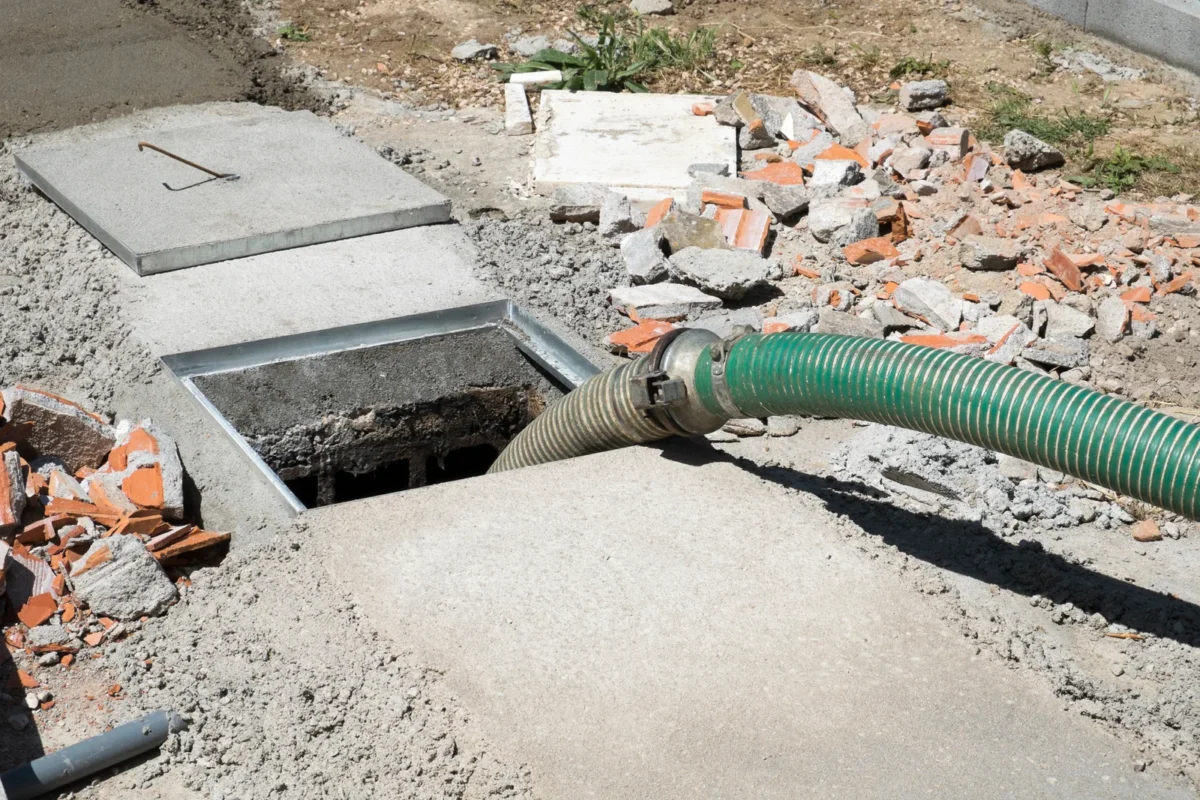
Temporary welfare
Sewage storage and treatment need to match the number and type of facilities connected.
Changing access
Excavations, temporary roads and plant movements can alter a previously suitable tanker position.
Separate water streams
Excavation water and sewage have different regulatory and treatment requirements.
Access on changing construction sites
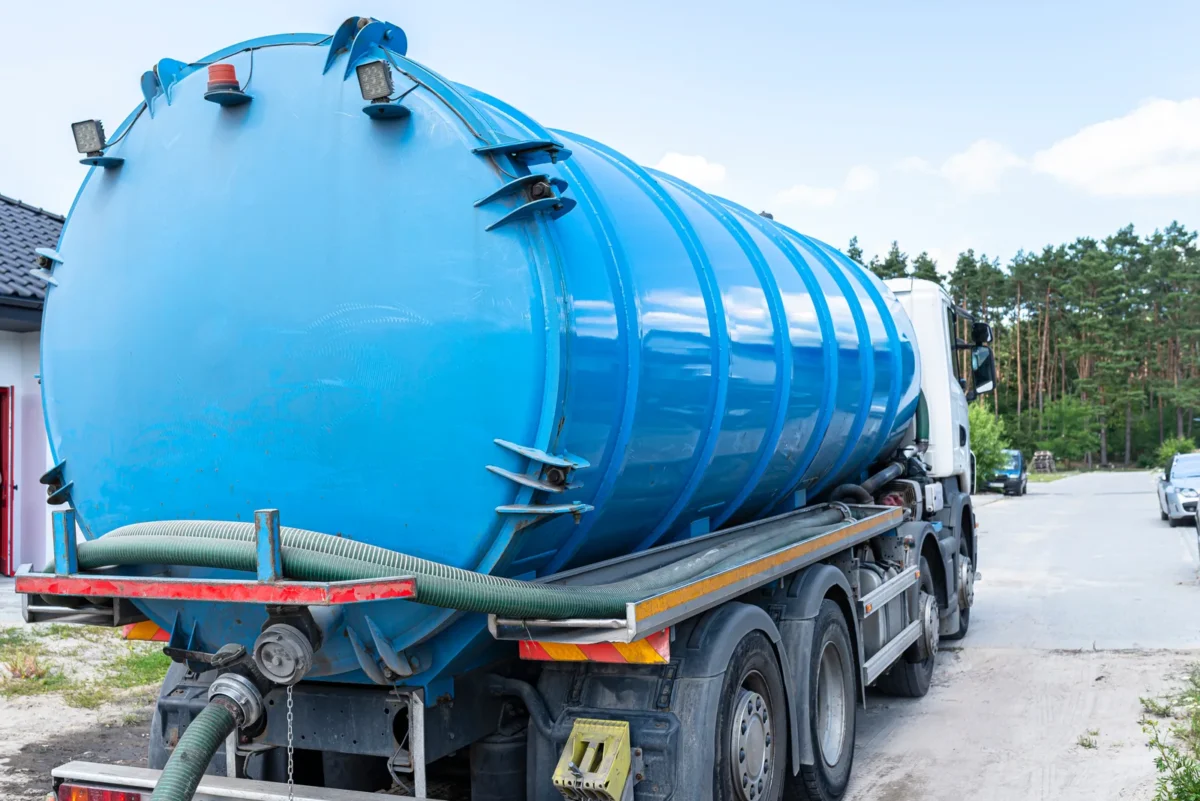
Ground conditions, excavations, temporary roads and plant movements can change tanker access during a project. A route used earlier may no longer provide safe standing, and buried tanks or covers should not be assumed capable of carrying construction traffic or a loaded tanker.
Keeping site water separate from sewage
Extra excavation water can overload sewage storage or treatment, while contaminated site water may need separate collection and treatment. Welfare flows must remain within the capacity of the sewage system rather than being combined with unrelated site water.
Construction septic tank enquiries
Complete the form and we will get back to you.
RPS 261 and temporary dewatering
The Environment Agency RPS 261 for temporary dewatering applies in England to qualifying temporary discharges of uncontaminated excavation water to surface water. It does not remove the legal permit requirement; the Environment Agency states that it will not normally take enforcement action for that permit breach only when the RPS description and all conditions are met and the activity does not cause, or risk causing, pollution or harm to human health. It does not cover sewage, contaminated water, discharge to ground or discharge to groundwater.
Maintenance during construction
More workers or new welfare units can increase the load on an existing sewage system. Repeated high levels need checks for capacity, unwanted inflow or downstream restriction before the collection interval is changed.
Septic Emptying for Construction: common questions
Can excavation water be pumped into a septic tank?
It should not be used as a convenient disposal route. Extra water can overload a sewage system, and contaminated water may require separate collection or treatment.
Does RPS 261 allow sewage or contaminated water to be discharged?
No. It concerns qualifying temporary uncontaminated excavation water discharged to surface water in England and only where all of its conditions are met.
Can a tanker stand over a buried tank or beside an excavation?
Only where the ground and structure are suitable for the vehicle load. A safe standing position must be established rather than assumed.
Can an existing septic system serve additional site welfare units?
Only if the system has sufficient capacity and the added flow is compatible with its operation and applicable requirements.