

Septic tank pumping removes accumulated sludge as well as liquid. We pump tanks during planned maintenance and investigate unusual levels when drainage starts backing up. Removing only the easiest liquid to reach can leave settled material in the working compartments.
Septic Tank Pumping
Septic tank pumping for accumulated sludge and liquid, with attention to compartments, fittings and refill guidance.
HomeSeptic Tank PumpingSeptic Tank Pumping enquiry
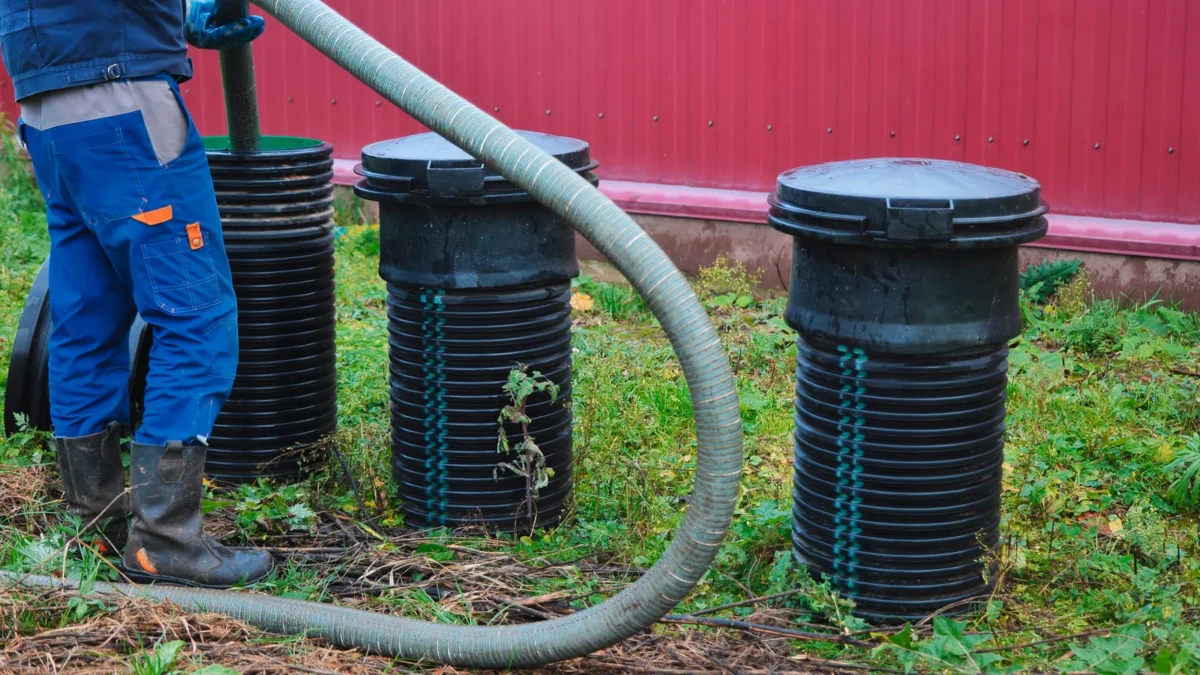
Pumping settled material
All required compartments need attention; removing free liquid can leave settled sludge behind.
Water levels after pumping
Normal refilling during use differs from sewage flowing back through a restricted outlet.
Pumping settled material
Different compartments can need separate hose access. A thick sludge layer may require controlled disturbance so it can be recovered without damaging internal fittings or driving solids towards the outlet. The tank layout determines where the hose can be used safely.
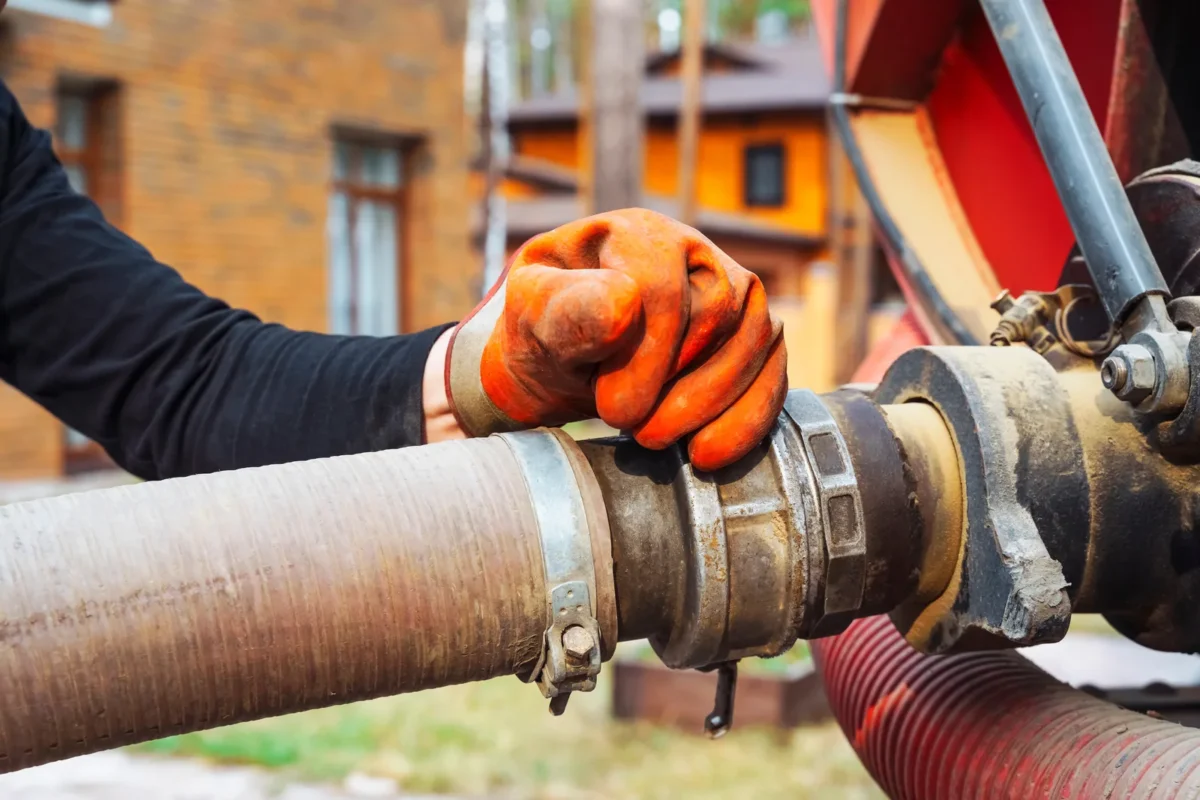
Septic tank pumping
Complete the form and we will get back to you.
Water levels after pumping
A septic tank normally returns to its operating liquid level as the property uses water. That alone does not mean the collection failed. Rapid backflow from the outlet, renewed backing-up or unexpected incoming water needs investigation because pumping cannot correct a failed drainage field.
Following the manufacturer’s procedure
Lowering the contents can change the support around some vessels, particularly where groundwater is high. The installed model may require a particular refill or restart sequence, so the manufacturer’s procedure is followed rather than leaving the tank empty by default.
Septic Tank Pumping: common questions
Should a septic tank stay empty afterwards?
Normal wastewater use restores the working liquid level, but some installed models require a specific refill procedure after pumping. Unexpected backflow or renewed blockage is a separate concern.
Does pumping remove every deposit automatically?
A hose can remove accessible material, but heavy deposits and separate compartments may require additional work.
Can pumping repair a failed outlet?
A defective outlet needs diagnosis and repair. Pumping may provide temporary space while that work is arranged.
Can all compartments be reached through one cover?
Not always. The internal layout may require separate access points to remove the required sludge.
Does a long hose reach solve every access problem?
No. Suction lift, hose route and sludge consistency also affect whether the material can be recovered.