

Farm septic tank emptying deals with the sewage system serving the house, staff facilities or other agreed accommodation. We identify the installation and remove accumulated sewage sludge. Agricultural liquids must not be treated as ordinary septic waste simply because they share the same site.
Farm Septic Tank Emptying
Septic tank emptying for farm homes and staff facilities, with agricultural waste streams kept separate from domestic sewage.
HomeFarm Septic Tank EmptyingFarm Septic Tank Emptying enquiry
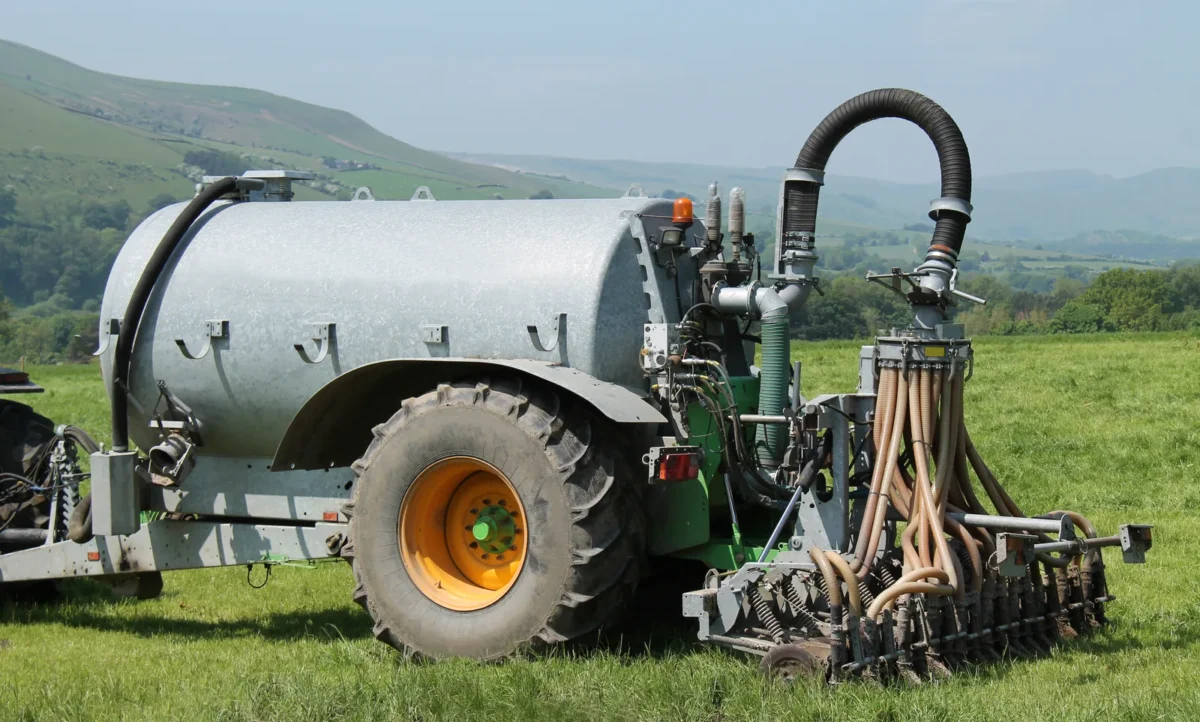
Keeping farm waste streams separate
Slurry and silage effluent need separate consideration from sewage serving farm accommodation.
Access and maintenance
A hardstanding beside a tank does not prove the structure below can carry a loaded vehicle.
Keeping farm waste streams separate
Slurry, silage effluent and pesticide residues have different characteristics from domestic sewage. Adding them to a septic system can overwhelm treatment or contaminate the collected material. Roof and yard water can also add unwanted hydraulic loading if connected to the foul system, particularly during wet weather.
Farm septic tank emptying
Complete the form and we will get back to you.
Access and maintenance
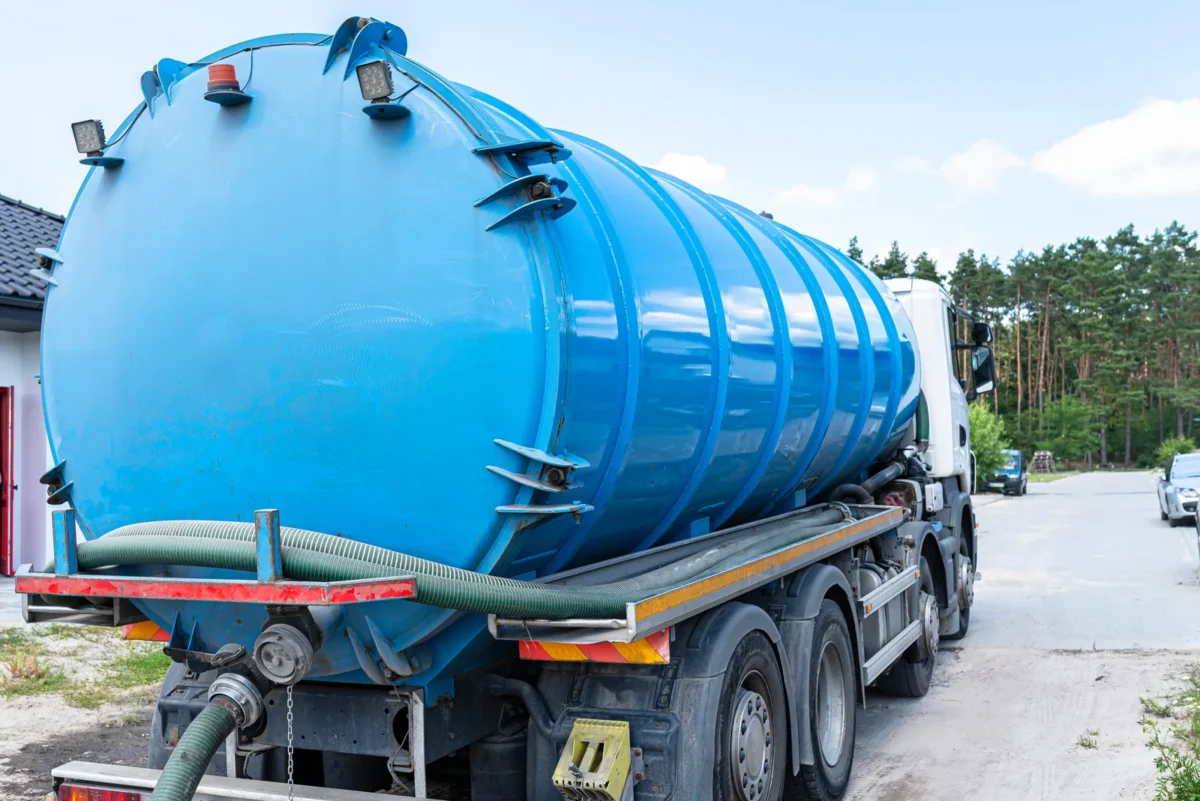
Farm tracks, livestock movements and soft ground affect where a tanker can stand safely. We plan the collection around those constraints and explain any abnormal tank condition. Where the sewage system is backing up after rain, the incoming connections deserve investigation alongside the emptying requirement.
Protecting buried tanks on working yards
A hard surface around a cover does not establish that the buried tank can support farm machinery or a loaded tanker. We use a suitable standing position and protect access points during the collection. Where conversion or yard changes have altered drainage, the incoming connections should be checked so extra surface water does not undermine the sewage system’s capacity.
Farm Septic Tank Emptying: common questions
Can slurry be collected as ordinary septic waste?
Slurry is a different waste stream and needs its own handling and acceptance assessment.
Does a converted barn affect the old tank’s loading?
Additional accommodation can increase sewage loading enough to require a review of tank and drainage-field capacity.
Can the tanker stand on a tank cover?
Vehicle loading must not be assumed safe over buried tanks or their covers. Tanker parking needs a suitable standing area.
Can roof water reduce septic performance?
It can add unnecessary flow if connected to foul drainage. The connection needs assessment.
How should tanker access be arranged around livestock movements?
The vehicle needs a suitable standing area and a working route that can be kept clear of livestock and other farm movements during the collection.