Septic Tank Emptying for Schools and Colleges

Septic tank emptying at schools and colleges needs to reflect the buildings and facilities connected to each installation. Teaching blocks, sports facilities, kitchens and residential accommodation can create different patterns of wastewater use. The site’s drainage plan and maintenance history help distinguish a routine collection from a problem affecting one part of the campus.

HomeSeptic Tank Emptying for Schools and Colleges

Septic Tank Emptying for Schools and Colleges enquiry

Match each building to the right installation

An education site may have several tanks or treatment systems added at different stages. A problem in a sports pavilion may not involve the installation serving the main teaching building. Identifying the connected facilities avoids emptying the nearest tank simply because it is the easiest to find.

Asset references, drawings and previous collection records are useful together. Drawings can be incomplete after extensions, while a collection invoice may identify only a general site name. Linking each tank to a location and the buildings it serves creates a more useful maintenance record.

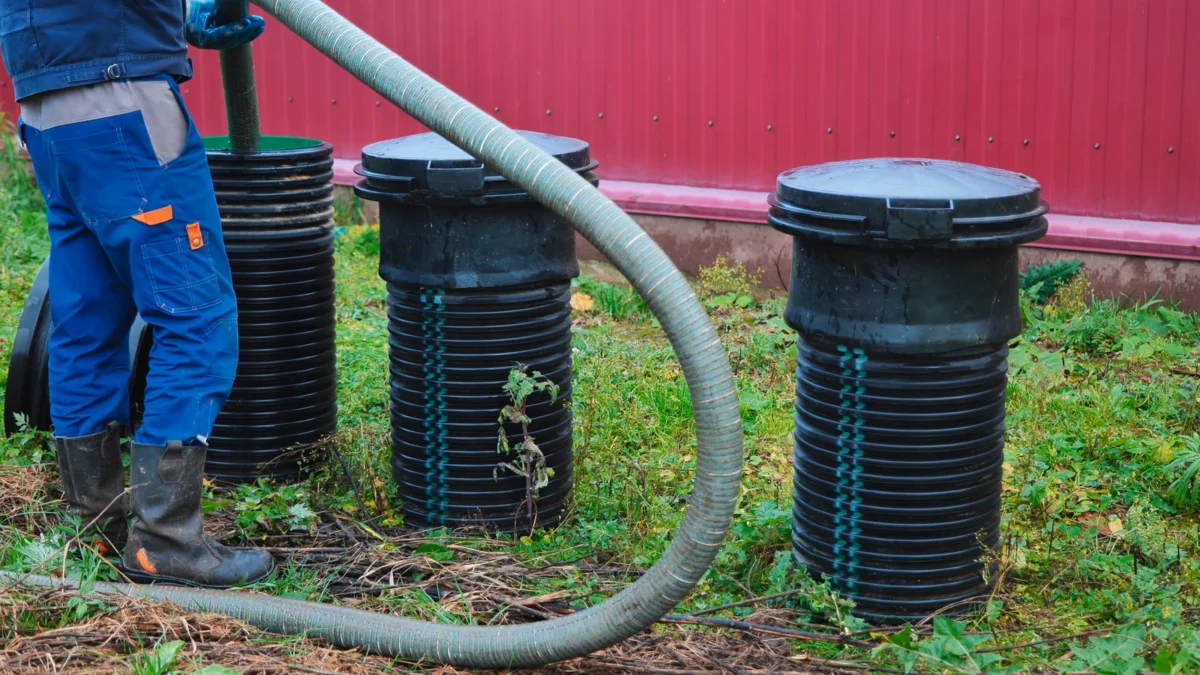
Septic service worker using a suction hose beside underground tank access risers

Term-time loading

Daily peaks and holiday periods can produce very different wastewater loads.

Occupied areas

Open covers, hoses and tanker movements need to be separated from normal site activity.

Treatment equipment

Desludging does not replace servicing of pumps, blowers, controls or alarms.

Term time, holidays and residential use

Daily attendance and patterns of use influence incoming wastewater. A college with evening courses or accommodation may remain active outside ordinary teaching hours. Catering, showers and large events can create peaks that a simple pupil or student count does not capture.

Holiday periods may provide easier access for planned work, but they do not define the technical interval for every installation. The system’s capacity, operating instructions and accumulation of sludge remain relevant. A change in use can justify reviewing a schedule that previously worked well.

Plan the collection around the site

Tanker positioning, hose routes and access to covers need to fit the premises as they will be on the day. Delivery areas, playgrounds, paths and emergency access routes may compete for the same space. These constraints belong in the work plan rather than being discovered after arrival.

The facilities team can identify which areas will be occupied and who controls access. Where several buildings share a system, any temporary restrictions need to be considered across the connected buildings. A quiet work area does not necessarily mean the drainage feeding it is unused.

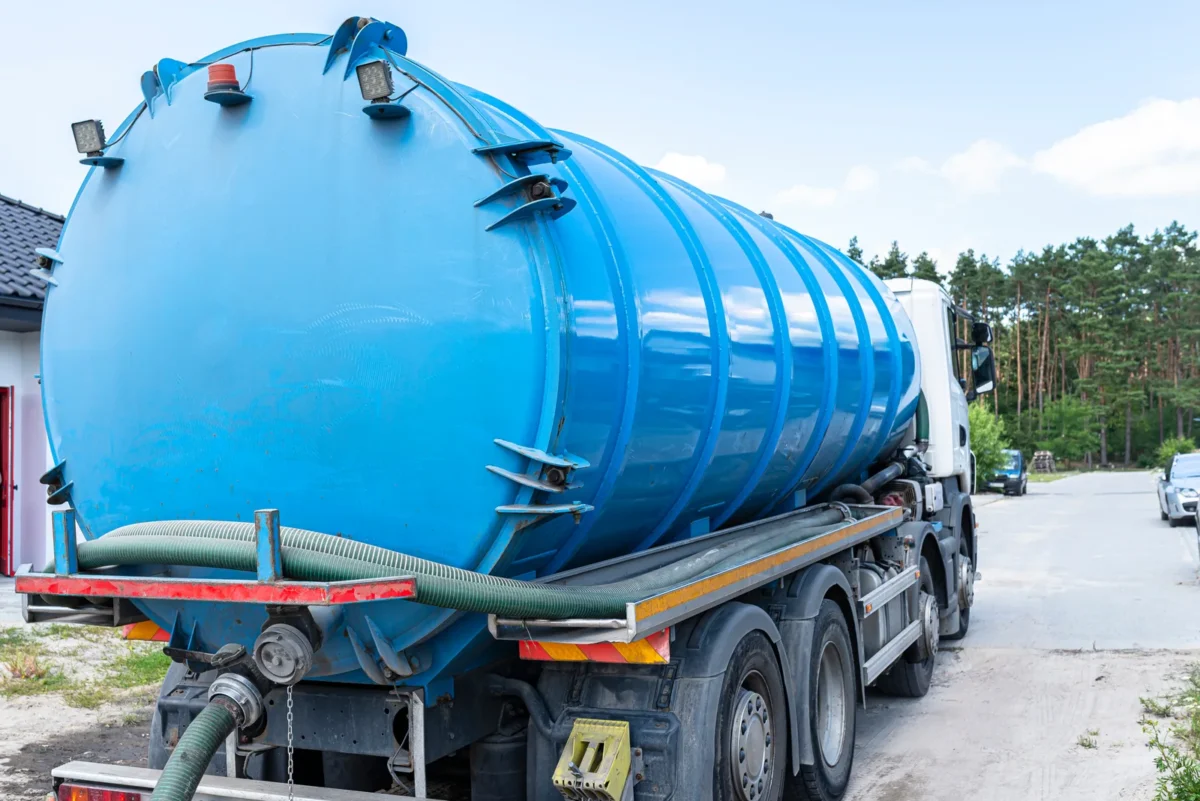
Large blue vacuum tanker with a connected suction hose

Education septic tank enquiries

Complete the form and we will get back to you.

Separate emptying from equipment servicing

Some premises use packaged treatment plants or pumping chambers rather than a septic tank. Removal of sludge does not itself check a blower, pump, alarm or control panel. These components have their own maintenance requirements.

If servicing is planned alongside emptying, the scope should show the sequence and the responsibilities for each activity. Collection can provide an opportunity to observe an abnormal level or deposit, but that observation is different from diagnosing the condition of the treatment equipment.

Keep records useful for the next term

A practical record identifies the installation, collection date, material removed and any abnormal condition observed during the visit. A high level, recurring blockage or problem affecting connected buildings should be recorded separately from routine sludge removal. These observations may indicate a need to investigate the drainage layout, treatment equipment or downstream disposal system. Comparing collection records with changes in occupancy can help determine whether the maintenance interval needs reviewing.

In England, the general binding rules for small sewage discharges to ground set maintenance requirements for qualifying septic tanks and small sewage treatment plants. Their application depends on the installation and discharge arrangements, not whether the premises are used for education. The requirements that apply to the actual system should sit alongside its instructions and the site’s collection history, rather than being inferred from its use as a school or college.

Technical questions

Martyn is our technical spokesperson, with particular knowledge of tank cleaning, septic tanks and drainage.

Septic Tank Emptying for Schools and Colleges: common questions

Must school tank emptying wait for the holidays?

Not necessarily. Holidays can simplify access, but the required maintenance interval and any current fault also matter.

Can accommodation and teaching blocks share a tank?

They can, depending on the drainage layout. The connected facilities need to be established from the actual installation.

Does desludging service a treatment plant?

No. Sludge removal and maintenance of mechanical or electrical treatment components are distinct tasks, even when coordinated during one visit.

Septic Emptying

Services

Request a quote

Menu

Get a quote