Septic Tank Cleaning and Deposit Removal

Septic tank cleaning deals with deposits that remain when routine pumping does not address the particular problem. The location and condition of the residue determine what needs attention: a crust, settled material around a connection and a surface being exposed for inspection are different cleaning tasks.

HomeSeptic Tank Cleaning and Deposit Removal

Septic Tank Cleaning and Deposit Removal enquiry

Identify the deposit and the reason for cleaning

A septic tank separates solids from the wastewater passing through it. Sludge and floating material accumulate during use, so the tank normally needs periodic attention. Cleaning beyond routine pumping should have a defined purpose rather than being treated as an identical process for every installation.

A record of previous emptying, changes in use and observed symptoms provides useful context. The relevant question may concern a restricted connection, a persistent deposit or access to an area that needs examination. Naming that purpose helps keep the scope specific to the tank.
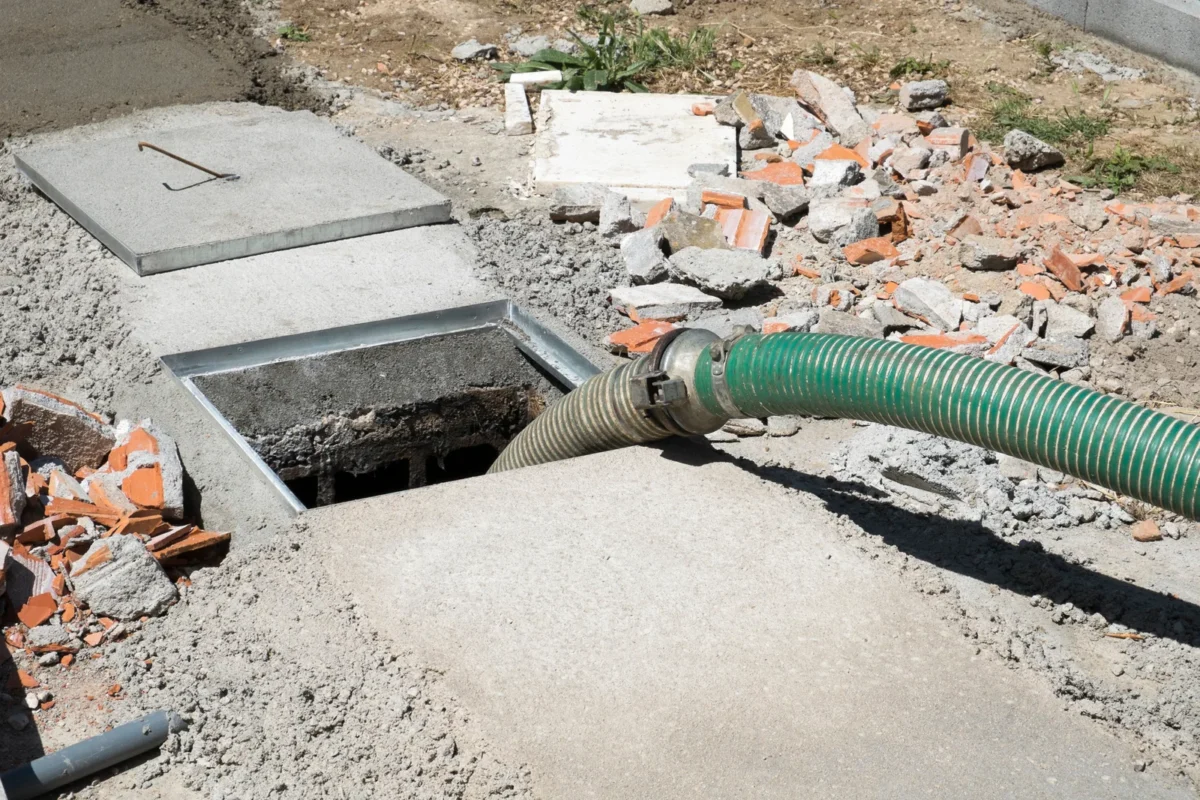
Suction hose entering an open underground wastewater chamber

Sludge and deposit removal

Baffles need protecting while loosened sludge is recovered from the tank.

Visible condition checks

A clean accessible wall may reveal a defect, but buried drainage needs separate investigation.

Account for chambers and internal fittings

Tank layouts differ. Compartments, baffles, dip pipes and outlet arrangements affect where material can collect and which areas are accessible. Drawings, manufacturer information and available inspection records can help identify the arrangement before the work is specified.

Cleaning one accessible chamber does not establish the condition of another. The scope should identify the included areas and any connection that needs attention. It should also distinguish the tank from the drainage field or other system parts beyond it.

Separate pumping from deposit removal

Pumping recovers contents through the agreed access arrangement. Additional work may be needed to loosen or remove deposits that remain on surfaces or around fittings. The method has to suit the tank construction, its components and the condition of the material.

The intended endpoint should be stated: removing a deposit, restoring access to a connection or exposing a surface for a planned inspection. This avoids assuming that a lowered liquid level demonstrates that all surfaces have been cleaned.

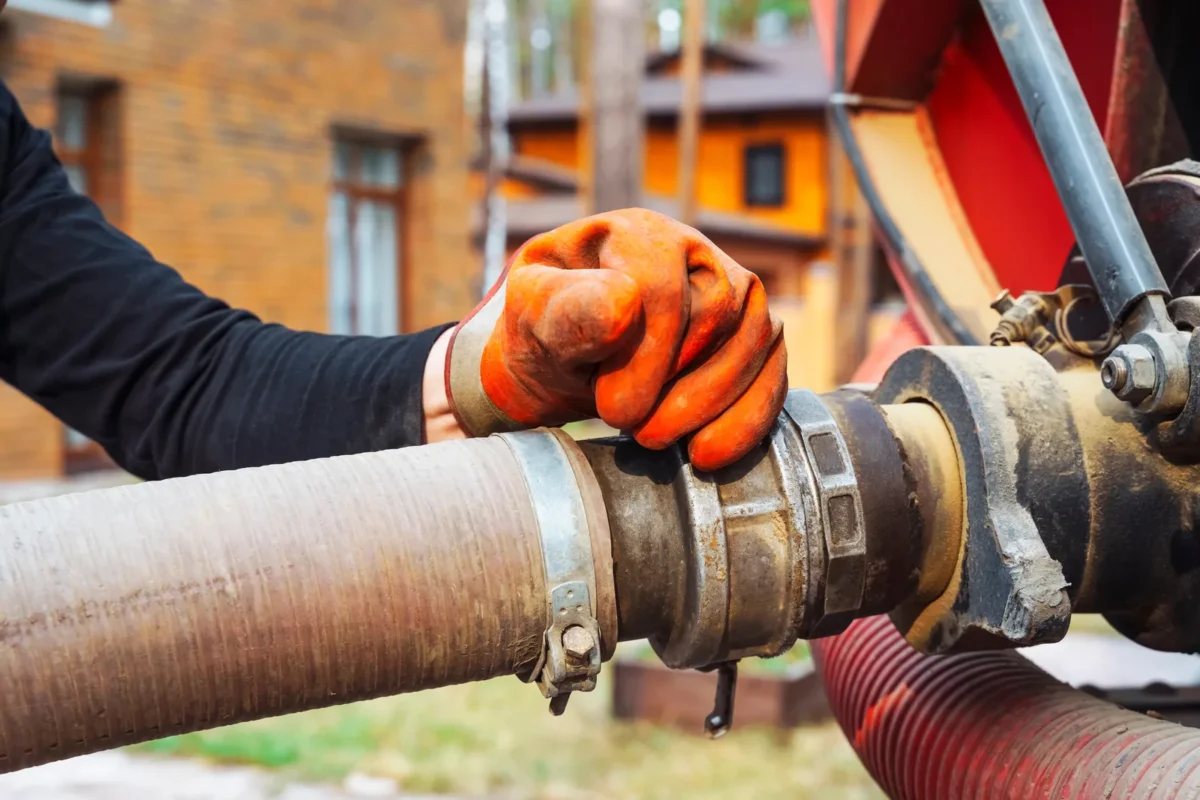
Gloved operative connecting a reinforced suction hose to a drainage tanker

Septic tank cleaning

Complete the form and we will get back to you.

Use the system information when planning maintenance

The tank forms part of a working sewage system. Its operating arrangement and maintenance information remain relevant when cleaning is planned. For septic tanks discharging under the general binding rules in England, the Environment Agency’s guidance for small sewage discharges to the ground sets out the applicable maintenance and desludging requirements.

A collection history can help identify an unusual change. More frequent high levels may relate to increased use or a problem elsewhere in the system. Cleaning can address the deposits included in the job, but the reason for an abnormal pattern may need separate investigation.

Keep the cleaning result and further findings clear

The completed record can identify the chambers attended, the material removed and the areas made accessible. A visible defect exposed during cleaning is a finding for assessment, not proof of the condition of buried pipework or a drainage field.

Where further inspection or repair is being considered, the cleaning record gives that work a clearer starting point. Any inaccessible area and any deposit left outside the agreed scope should remain identifiable. The next maintenance decision can then use the actual result rather than an assumed whole-system clean.

Septic Tank Cleaning and Deposit Removal: common questions

Is septic tank cleaning identical to pumping?

No. Pumping removes contents, while a cleaning task may also address deposits around surfaces or fittings. The additional work needs a defined scope.

Does cleaning the tank inspect the drainage field?

No. The drainage field is a separate part of the system and needs its own assessment if a fault is suspected.

What helps define the cleaning job?

The tank arrangement, previous maintenance records, deposit location and the reason cleaning is needed, together with any inspection or repair planned afterwards.

Septic Emptying

Services

Request a quote

Menu

Get a quote