

We provide septic tank emptying and off-mains drainage maintenance for factories, warehouses, production sites and storage premises. Sewage from welfare facilities must be distinguished from process liquids and chemicals before collection or disposal.
Septic Emptying for Industrial Sites
Industrial septic tank emptying for factories, warehouses and production sites, with sewage kept separate from process liquids and chemicals.
HomeSeptic Emptying for Industrial SitesSeptic Emptying for Industrial Sites enquiry
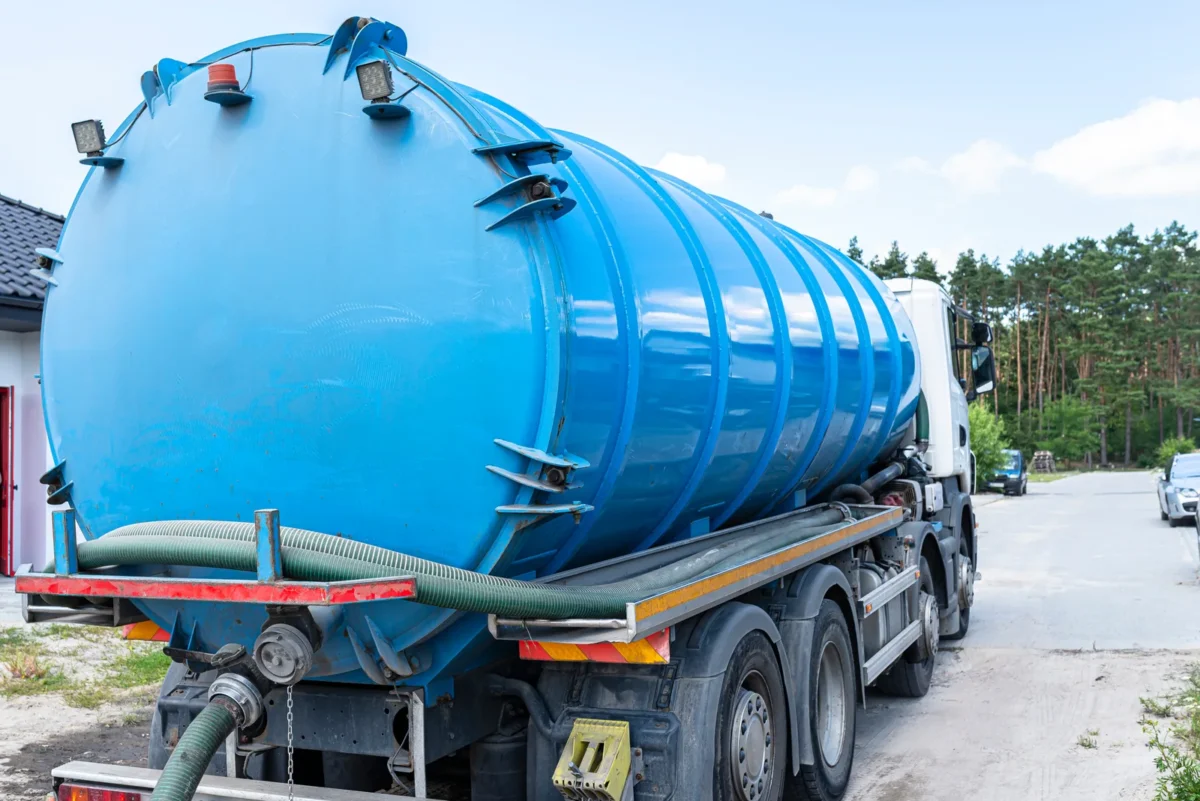
Separate waste streams
Sewage from staff facilities must not be assumed compatible with process liquids, oils or chemicals.
Working-site access
Tanker standing positions and hose routes need to account for vehicle movements, operating areas and buried structures.
Recurring faults
Rapid refilling after pumping can indicate inflow or a downstream drainage problem rather than normal sludge accumulation.
Separating sewage from process waste
Toilets, washrooms and staff facilities may drain to a septic tank, cesspit or treatment plant while production liquids use a separate system. Keeping those waste streams separate protects treatment and avoids sending contaminated material to an unsuitable receiving facility.
Access around working industrial areas
Vehicle movements, loading areas and operating plant affect where a tanker and hose can be positioned. Buried tanks and covers should not be assumed capable of carrying industrial vehicles, and occupied work areas need suitable separation during pumping.
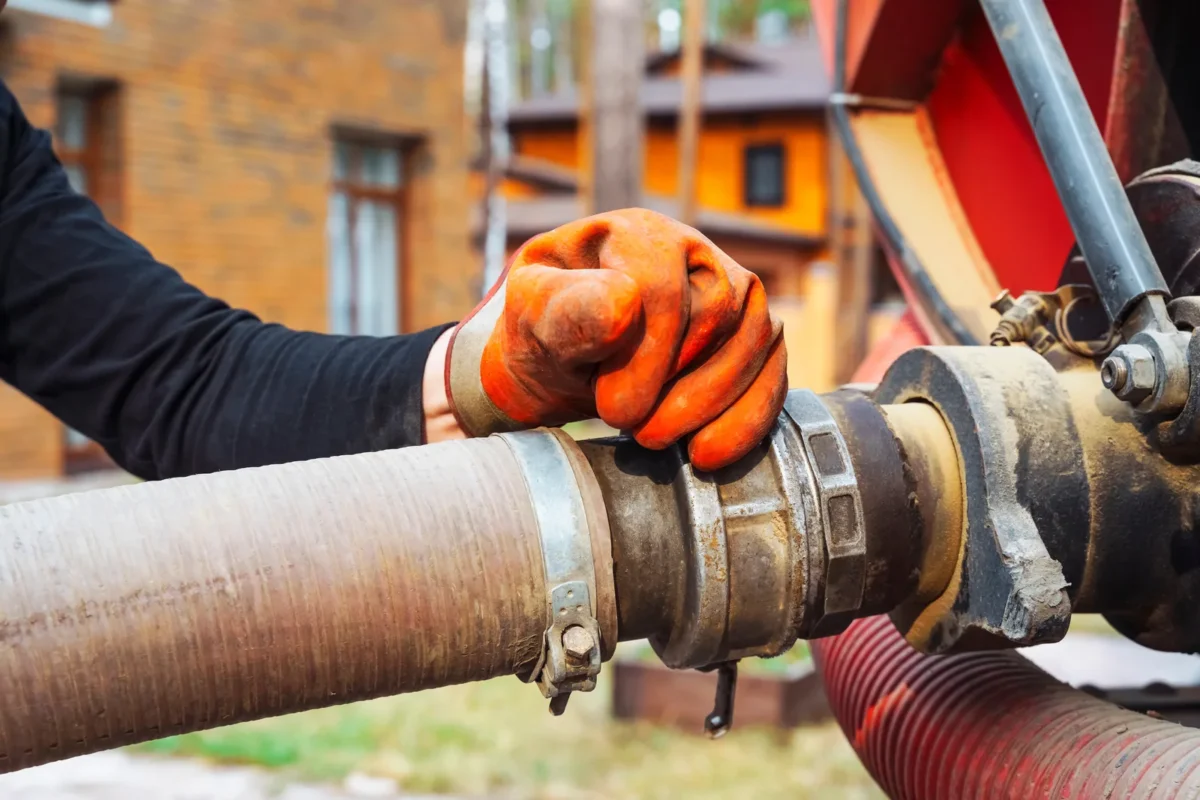
Industrial septic tank enquiries
Complete the form and we will get back to you.
Hazards around tanks and equipment
The HSE COSHH guidance on hazardous substances applies to risks from substances used or produced on the site. Where hazardous access is close to machinery, suitable isolation and control of stored energy or unintended restart are prerequisites to the cleaning or emptying work; sewage exposure and confined-space risks also need their own controls.
Recurring drainage problems
Rapid refilling after pumping can result from unwanted inflow, blocked connections, discharge problems or increased loading. The cause needs investigation before another routine interval is assumed.
Septic Emptying for Industrial Sites: common questions
Can process liquids be pumped into a septic tank?
They should not be assumed suitable. Process liquids and chemicals may interfere with treatment and can require separate collection and disposal.
Does emptying make industrial drainage safe to enter?
No. Empty tanks and chambers can still contain a dangerous atmosphere. Entry should be avoided where possible and requires confined-space controls when necessary.
Can machinery remain energised beside the work area?
Hazardous access near machinery requires suitable isolation and control of stored energy or unintended restart. Pumping a tank does not establish machinery safety.
What if the tank fills rapidly after a collection?
The system should be checked for increased use, unwanted inflow, blocked pipework or a downstream restriction before another routine interval is assumed.