

We empty septic tanks, sealed cesspits and sewage treatment plants serving homes and other domestic properties. These systems work differently, so the maintenance procedure depends on the installation rather than the name normally used for it.
Septic Emptying for Domestic Properties
Domestic septic tank emptying for homes and rural properties, including routine sludge removal and investigation of recurring drainage problems.
HomeSeptic Emptying for Domestic PropertiesSeptic Emptying for Domestic Properties enquiry
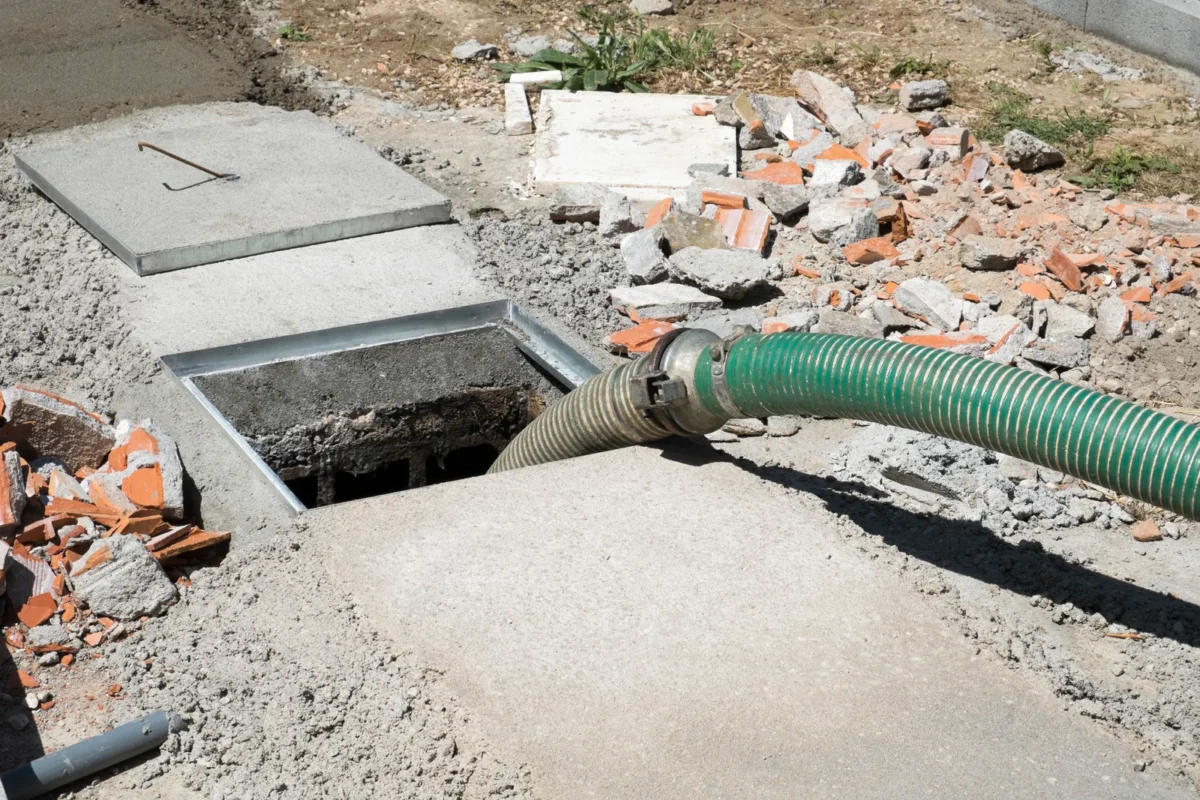
Different off-mains systems
A septic tank, sealed cesspit and treatment plant have different maintenance and emptying requirements.
Changes in household use
More occupants or new facilities can alter wastewater loading and the appropriate maintenance interval.
Recurring symptoms
Backing-up soon after emptying can indicate a pipe or drainage-field fault rather than a need for another routine collection.
Understanding the home drainage system
In England, accumulated sludge must be cleared before the system’s maximum capacity is exceeded. Official guidance advises annual desludging or following the manufacturer’s instructions. Cesspits retain all sewage for collection, while treatment plants also have mechanical or biological equipment that needs separate servicing.
Routine emptying and changing use
More occupants, an extension or a change in water use can alter the load on an established system. The maintenance interval should reflect the installation and actual use, not a neighbour’s schedule or the normal liquid level seen through the cover.
Domestic septic tank enquiries
Complete the form and we will get back to you.
Safe maintenance and England’s septic-tank rules
The England guidance for septic tanks and sewage treatment plants explains the regulatory arrangements for discharges and maintenance. Emptying does not make a tank safe to enter, and householders should not enter or lean into a chamber to investigate it.
When emptying is not the whole answer
Slow drains, wet ground or rapid refilling after pumping can point to blocked pipework, unwanted inflow or a drainage-field problem. Emptying may provide temporary capacity, but those faults need their own investigation.
Septic Emptying for Domestic Properties: common questions
Does a septic tank need emptying because liquid is visible?
Not by that fact alone. A working septic tank normally contains liquid; sludge accumulation and abnormal operation are more useful maintenance indicators.
Is a cesspit emptied on the same schedule as a septic tank?
No. A cesspit stores all incoming sewage, so collections follow its usable storage and actual water use.
Can I enter the tank after it has been pumped out?
No. An emptied tank can still contain a dangerous atmosphere and should not be entered by a householder.
What if drains back up again soon after emptying?
The inlet, outlet, unwanted inflow and drainage field may need checking because pumping does not repair those faults.