Emergency Septic Tank and Cesspit Emptying

Emergency septic tank emptying may be needed when sewage levels rise or connected facilities begin to back up. The immediate task is to establish what is happening and whether collection will relieve it. A septic tank, a sealed cesspit and a treatment plant work differently, so identifying the installation matters before deciding the scope.

HomeEmergency Septic Tank and Cesspit Emptying

Emergency Septic Tank and Cesspit Emptying enquiry

Which part of the system is full?

A cesspit stores sewage for collection, whereas a septic tank separates solids before liquid passes to a drainage field. A treatment plant adds a treatment process. The same description, such as “the tank is full”, can therefore mean different things on different properties.

A septic tank normally contains liquid during operation. The concern is an abnormal level or a loss of flow through the system, rather than the presence of liquid alone. Previous emptying records and the location of affected fixtures help distinguish the current problem from normal operating conditions.

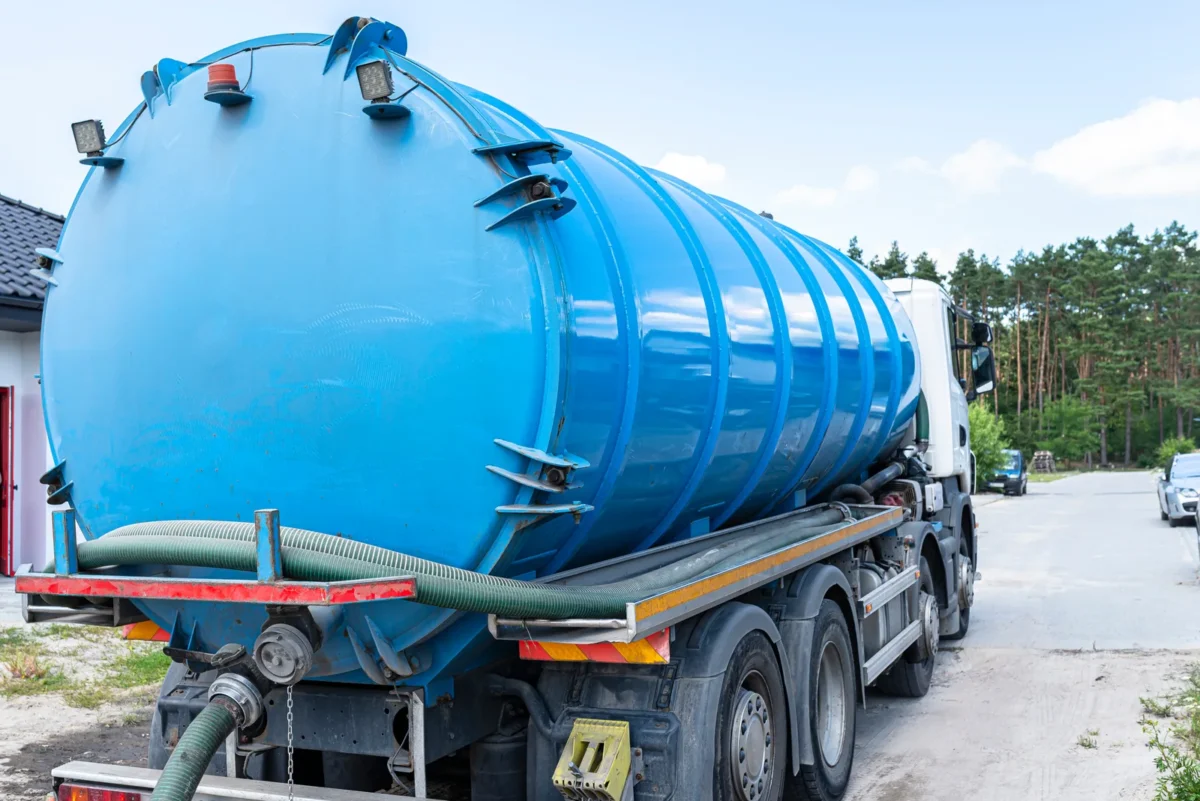
Large blue vacuum tanker with a connected suction hose

High levels and downstream failure

Pumping may provide immediate relief while the cause of rising sewage remains unresolved.

Containing the immediate problem

Restricting affected facilities helps prevent additional wastewater worsening an overflow.

Collection and diagnosis are different jobs

Pumping can create space and remove accumulated material. It does not automatically remove a blockage in a separate pipe or restore a drainage field that is unable to accept flow. A rapid return of high levels after collection is useful information for a follow-on investigation.

The timing of the problem also matters. Symptoms during heavy rain, after an unusually busy period or shortly after the previous collection point to different questions. Recording the pattern helps avoid treating every recurrence as simply another tank requiring emptying.

Access during an urgent visit

The collection arrangement depends on the tank position, the available vehicle standing area and the route between them. A route that worked in summer may be affected by waterlogged ground, parked vehicles or temporary site works. Access information can change the equipment and scope required.

Occupied areas and any sewage already outside the system need to be considered alongside the collection. Recovery from a tank and cleaning affected ground or building surfaces are separate work areas. A clear scope identifies whether the request concerns the tank contents, a spill, or both.

Gloved operative connecting a reinforced suction hose to a drainage tanker

Emergency septic tank emptying

Complete the form and we will get back to you.

What the first record should capture

The tank or chamber identifier, level observed, approximate collection volume and any unusual inflow provide a useful starting record. Photographs are most helpful when their location and time are known, rather than as isolated images of water in a chamber.

If the level rises again, the interval and conditions can be compared with that record. This helps establish whether further work should focus on the inlet, outlet, incoming groundwater, a pumping component or the downstream disposal system. No single observation establishes all of those conditions.

After the immediate problem

The collection should be considered alongside the installation’s maintenance information and discharge arrangements. In England, the general binding rules for small sewage discharges to ground include maintenance and desludging requirements for septic tanks and treatment plants within their scope. These discharge rules should not be applied to a sealed cesspit that has no discharge to ground.

An urgent collection is not evidence that the entire installation is in suitable condition. Where symptoms recur, a separately defined investigation can establish what additional maintenance or repair is needed. Keeping collection and investigation findings together makes future decisions more dependable.

Technical questions

Martyn is our technical spokesperson, with particular knowledge of tank cleaning, septic tanks and drainage.

Emergency Septic Tank and Cesspit Emptying: common questions

Is emergency cesspit emptying the same as septic emptying?

Both involve collection, but a cesspit stores all incoming sewage while a septic tank passes liquid onward for disposal. That difference affects what a high level means.

Will emptying permanently stop sewage backing up?

It may relieve the immediate level. A separate pipe restriction, excessive inflow or downstream problem can remain and require investigation.

How does access affect an urgent collection?

Vehicle standing space, the distance to the tank and ground conditions influence the collection arrangement and the equipment that can reach the installation.

Septic Emptying

Services

Request a quote

Menu

Get a quote