Septic Tank Emptying Cornwall

Septic tank, cesspit and treatment plant emptying in Cornwall for homes, farms, holiday lets and businesses. Find out what affects collection, from tank size and access to hose distance.

HomeSeptic Tank Emptying Cornwall

Septic Tank Emptying Cornwall enquiry

Septic tank emptying across Cornwall

Septic tank emptying in Cornwall covers private drainage systems at houses, farms, holiday cottages and commercial premises. Cornwall Council notes that the county has many properties using private sewerage systems that need ongoing maintenance and periodic emptying. Whether you have a septic tank, cesspit or package treatment plant, the type of system, amount of waste and access for a tanker all affect the collection.

Septic tanks accumulate sludge as solids settle and wastewater passes through the system. Emptying removes the accumulated waste before it causes problems with the tank or drainage field. A tanker needs suitable standing space and enough hose to reach the tank opening. It helps to know where the cover is, whether it can be accessed and when the tank was last emptied. Regular desludging is part of maintaining the system, although it does not replace servicing or repairs.

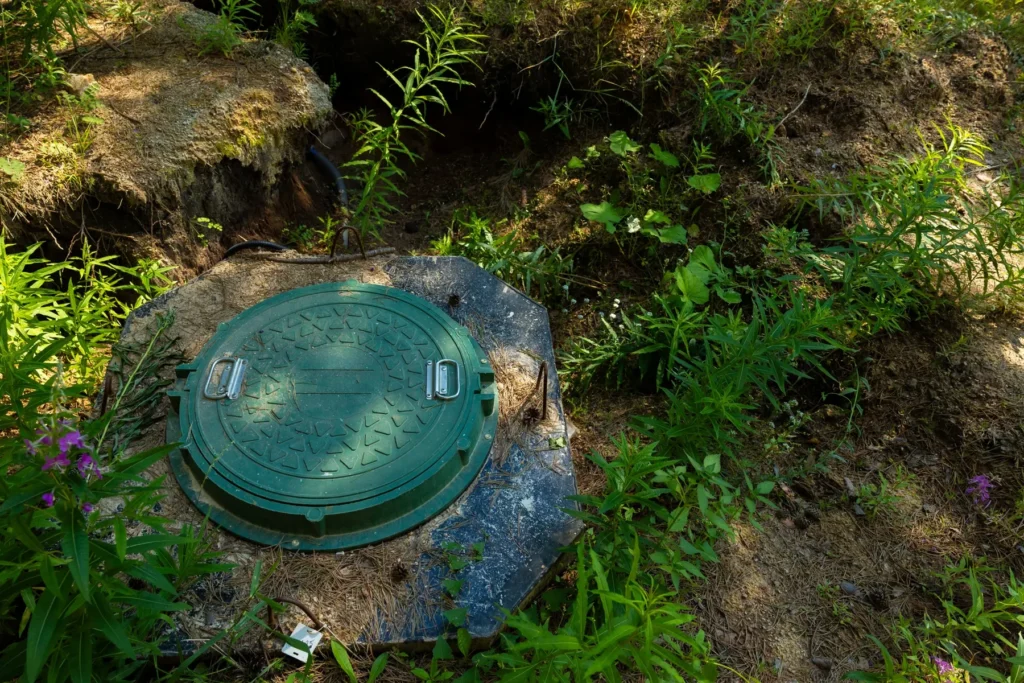
Green round tank access cover set in a planted bank

Homes, cottages and farms

Emptying information for domestic tanks, farm systems, holiday accommodation and commercial premises.

Rural tanker access

How lane width, standing space, tank location and hose distance affect collection.

Private drainage explained

Practical guidance on septic tanks, cesspits, treatment plants and Cornwall's drainage requirements.

Septic tank, cesspit or treatment plant?

It matters which you have, because each is emptied and maintained differently. Cornwall Council describes a septic tank as a set of compartments where waste settles and bacterial activity creates sludge that builds up and needs regular removal. A cesspit is a leak-proof holding tank, usually much larger, which is emptied when full. It normally needs emptying more frequently than a septic tank because all the liquid is removed as well as the sludge.

A package treatment plant treats sewage to a higher standard and may have pumps, blowers or other mechanical parts that need servicing. Sludge removal is still required, but the appropriate procedure depends on the particular plant. The general binding rules do not apply to cesspits, which must be emptied regularly and must not leak or overflow. Our cesspit vs septic tank guide explains the differences.

Lanes, hedges and hose runs

Narrow lanes between high hedges, steep drives and tanks at the bottom of sloping gardens can complicate emptying in Cornwall. A tanker needs somewhere suitable to stand while the hose reaches the tank. A tight entrance, sharp bend, weight restriction or long distance from the road can affect the collection.

Before arranging emptying, check where the tank is, how far it is from possible tanker standing space and whether the cover is accessible. Mention gates, restricted lanes, soft ground and any difficulty reaching the property. A tank hidden beneath paving or vegetation may also need to be located before collection. The tanker should not be assumed capable of driving over a buried tank or its drainage field.

Holiday lets and seasonal loading

A holiday cottage or chalet can have much heavier wastewater use during busy periods than when it is unoccupied. This affects the amount entering the system and can influence maintenance and desludging requirements. For properties with regular changeovers, it is worth checking the tank’s condition and sludge level rather than relying only on a previous emptying date.

GOV.UK says holiday accommodation should calculate daily sewage flow using industry flows and loads guidance, adding all sources together. If a barn is converted, accommodation extended or another property connected to the same system, its maximum daily discharge must be recalculated. Where several cottages use one tank, access and arrangements for emptying need to take account of the shared system. Our holiday park septic tank emptying page covers larger sites with multiple tanks.

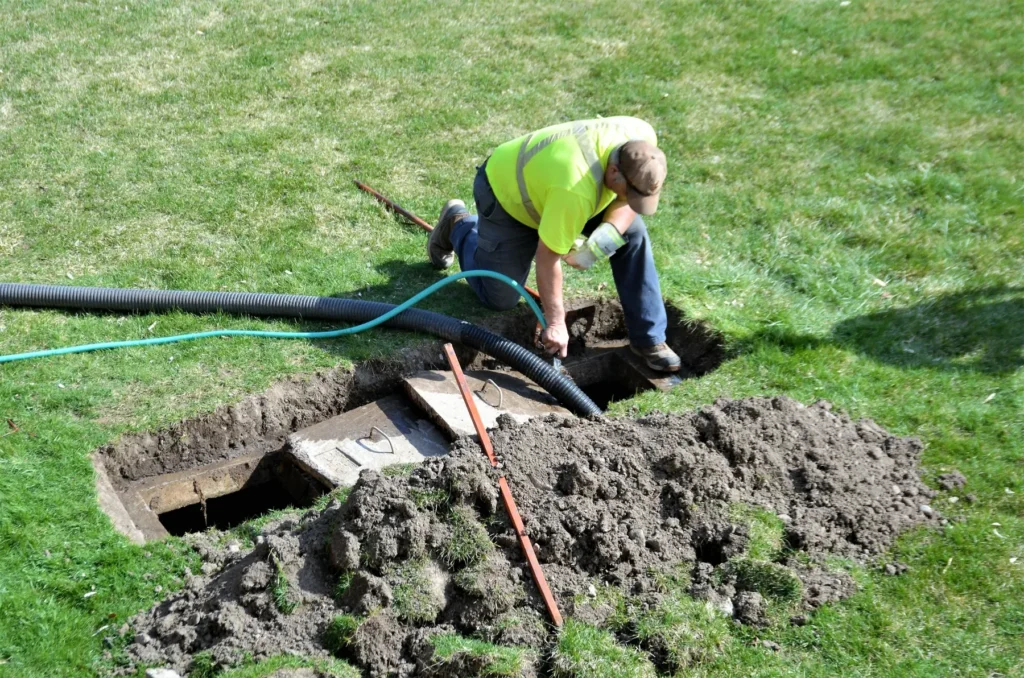
Worker in a high visibility shirt kneeling at an opened tank access in a lawn with hoses

Septic tank emptying in Cornwall

Need a septic tank, cesspit or treatment plant emptied in Cornwall? Tell us the type of tank, its location and any access restrictions so the collection requirements can be assessed.

Shared tanks and the mains sewer

Rows of cottages and converted farm buildings sometimes share one septic tank. Cornwall Council says responsibility usually lies with the properties using it, even if the tank is on only one property. The same applies to cesspits. Owners sharing a system will need to agree who arranges emptying and provides access.

South West Water maintains the public sewerage network in Cornwall. For new sewage discharges, connection to a public foul sewer may be required where the Environment Agency considers it reasonable. Private septic tanks and cesspits remain separate from the public sewer network.

Discharges near streams, estuaries and the sea

For properties near a stream, creek or the shore, the route taken by wastewater matters. A septic tank discharging directly to a watercourse must be addressed as soon as possible. GOV.UK identifies three options: connect to a public foul sewer, replace the tank with a small sewage treatment plant, or install a suitable drainage field. Plans for the work must be in place within a reasonable period, usually 12 months. When such a property is sold, buyer and seller should agree responsibility for the upgrade as a condition of sale.

For discharges into tidal waters, GOV.UK requires the discharge pipe outlet to be below the mean low water spring mark. Additional restrictions apply to surface water discharges started on or after 1 January 2015, including those within 500 metres of designated bathing water or protected shellfish water. Emptying a tank does not change where its wastewater discharges. Our general binding rules guide explains the requirements in more detail.

Where the waste goes

Cornwall Council notes that waste pumped from private drainage systems is normally dealt with at sewage treatment works around the county. In January 2023, Defra reported that wet weather had restricted South West Water’s capacity to accept tankered septic waste.

The Sludge (Use in Agriculture) Regulations 1989 distinguish qualifying sludge from other sewage when it comes to agricultural land spreading. Our septic tank waste removal guide explains the disposal side of emptying.

For septic tank emptying in other parts of the country, see our areas we cover, including septic tank emptying in Norfolk.

Septic Tank Emptying Cornwall: common questions

Does Cornwall Council empty septic tanks?

No. Cornwall Council says it has no direct responsibility for emptying septic tanks or cesspits. Emptying is arranged privately by the people responsible for the system, which may include several properties sharing one tank.

My septic tank drains straight into a stream. What do I need to do?

A septic tank discharging directly to a watercourse must be addressed as soon as possible. GOV.UK identifies connecting to a public foul sewer, replacing the tank with a small sewage treatment plant or installing a suitable drainage field as the options. Plans for the work must be in place within a reasonable timescale, usually 12 months. Emptying does not change the discharge route.

How often should a holiday let septic tank be emptied?

GOV.UK requires sludge to be removed before it exceeds the tank's maximum capacity and advises desludging at least annually or in line with the manufacturer's instructions. Holiday accommodation with heavy seasonal use may need more frequent attention. The tank's sludge level and the manufacturer's guidance help determine the appropriate interval.

We share a septic tank with our neighbours. Who arranges emptying?

Cornwall Council says responsibility usually lies with all the properties using the tank, even when it sits on one property's land. The owners can agree who arranges collection, provides access and contributes to the cost.

What affects the cost of emptying a septic tank in Cornwall?

The type of system, volume of waste, hose distance, tank access and suitability of the lane or drive can all affect the job. Knowing the tank size, location and last emptying date helps establish what collection involves.

Septic Emptying

Services

Request a quote

Menu

Get a quote