Cesspit Emptying Cost

A cesspit stores everything and discharges nothing, so what it costs to run is decided by how much it holds, how fast it fills and how many tanker journeys that adds up to across a year.

HomeCesspit Emptying Cost

Cesspit Emptying Cost quote

Why cesspit costs work differently

Cesspit emptying cost is governed by one structural fact: a cesspool is a sealed holding tank. Nothing is treated and nothing discharges, so the wastewater entering the tank has to be collected and taken away. A septic tank only needs its accumulated sludge and floating scum removed periodically, because the liquid effluent leaves through a drainage field. That difference is why cesspit running costs are set mainly by wastewater volume and collection frequency rather than by the price of any single visit.

The practical consequence is that the price per visit does not tell you the whole cost. What matters is the volume removed over a year and how many journeys that takes. Cesspit vs septic tank explains how the two systems differ, and septic tank emptying cost covers the equivalent question for a discharging system.

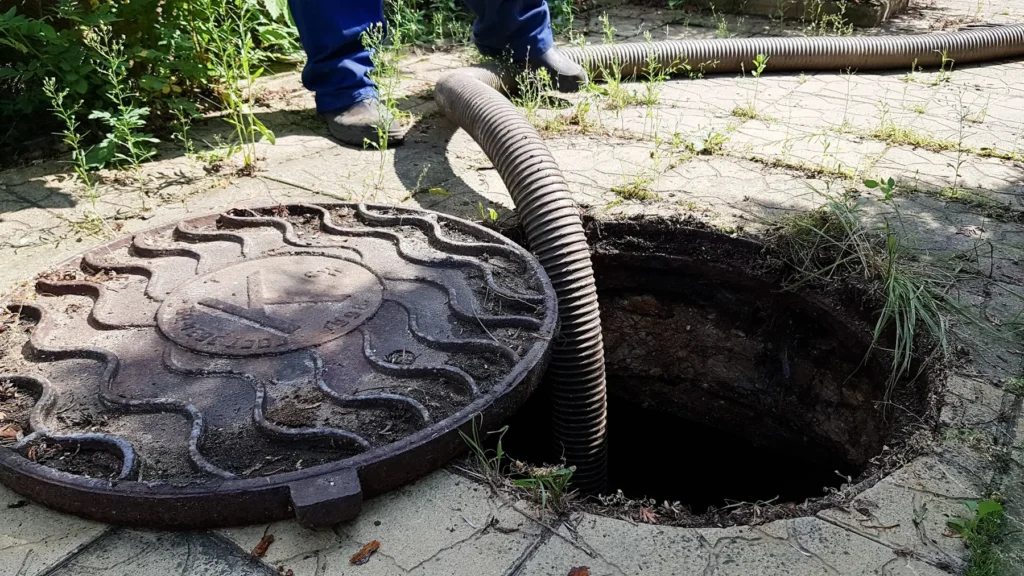
Ribbed suction hose fed into an open round chamber beside a lifted cast iron cover on a paved area.

Everything stored, nothing discharged

A sealed cesspool holds the wastewater entering it until collection, so water use directly affects how much needs removing.

Judge it by the year

Frequency matters alongside the price of one visit, so compare the total annual collection cost rather than individual invoices.

Stray water is the hidden cost

A misconnected gully or a running cistern can add unnecessary water to the tank and bring the next collection forward.

Capacity and how quickly it fills

The usable capacity of the tank and the amount of wastewater the property produces together determine the interval between collections. Every bath, shower, washing machine cycle and toilet flush adds to the stored volume. Occupancy therefore has a direct bearing on how frequently a cesspool needs emptying. Government guidance for new cesspools in England sets a minimum capacity of 18,000 litres for two users, with a further 6,800 litres for each additional user. These are requirements for new installations, not an indication of the actual capacity of an existing tank.

Anything putting unnecessary water into the tank can shorten the interval and increase the annual cost. A yard gully or downpipe wrongly connected into the foul drainage, a running cistern or a dripping valve can add water that still has to be collected. On farms and commercial premises, changes in occupancy, washing activities or water use can have the same effect. The important figure is the amount entering the tank between collections, not simply its stated capacity.

The volume removed on each visit

The amount of waste collected is an important part of the price. A full collection from a large cesspool may exceed the carrying capacity of the tanker attending, which can require a larger vehicle or more than one load. The number of loads, the volume accepted for disposal and the arrangements at the receiving site can all affect the charge.

Partial collections, where only some of the contents are removed, can leave less available storage and bring the next visit forward. A smaller invoice for one collection does not necessarily mean a lower annual cost. Ask whether the quoted service covers all accessible contents or a specified volume. Cesspool emptying explains the collection process itself.

Access, hose runs and where the tanker stands

Where the vehicle can stand and how much hose has to be run affect the work involved in each collection. With repeated visits throughout the year, difficult access can become a recurring cost rather than a one-off inconvenience.

  • Distance from suitable vehicle standing to the access cover
  • Height difference between the vehicle and the tank, which can affect pumping arrangements
  • Lane width, turning space, weight limits and overhanging trees on the approach
  • Covers that are buried, sealed, seized or under a hard surface
  • Ground conditions that may restrict access for a loaded tanker

Approved Document H provides guidance for drainage and waste disposal in England, including cesspool siting and access. Its guidance identifies a maximum distance of 30 metres from vehicle access and specifies a lockable access point for emptying. Existing tanks may have less convenient arrangements, so the actual vehicle position and hose run should be considered when comparing prices.

Distance to a permitted disposal point

Collected cesspool contents must be taken to a facility authorised to receive the waste. Transport and disposal can form a significant part of the charge, particularly where collections are frequent. A property some distance from a suitable receiving facility may face different costs from an otherwise similar property nearer to one.

For that reason, the disposal destination matters when looking at the cost across a year. Two identical tanks can have different annual emptying costs because of collection frequency, travelling distance and the arrangements available to the contractor. Liquid waste removal explains how collected material is handled and documented.

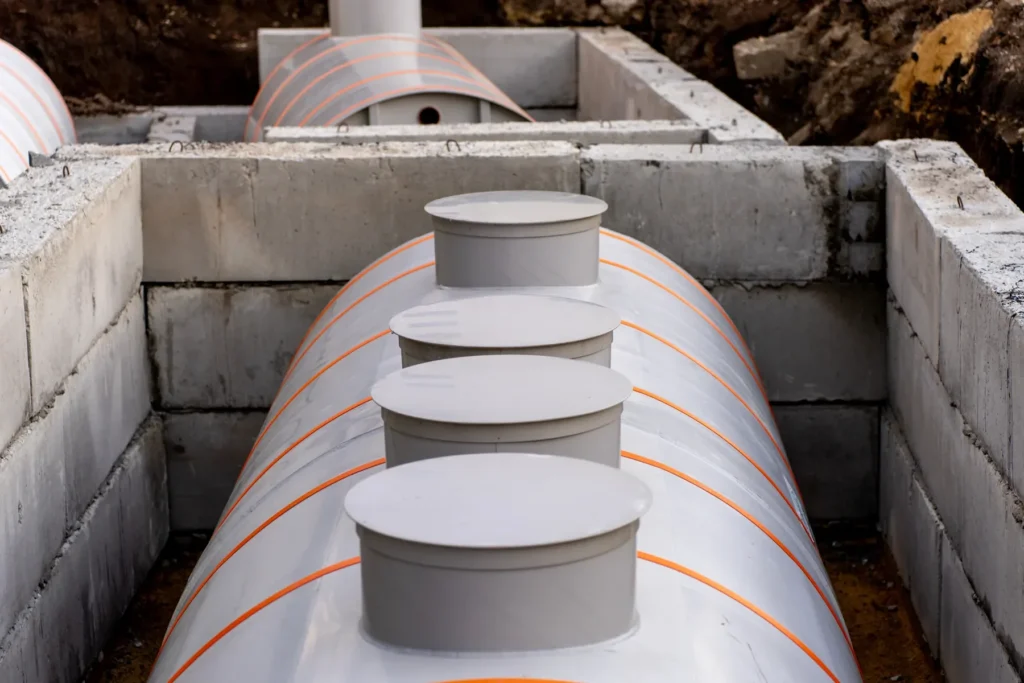
Large cylindrical tank with four raised circular access openings sitting in a block lined excavation.

Compare cesspit emptying costs

Have the tank capacity, recent collection volumes and access details ready when comparing prices. Ask what volume is included, where the tanker can stand and whether transport and disposal are covered.

Scheduled collections and short notice calls

A cesspool that is monitored and emptied before it reaches capacity is easier to plan around. Short notice collections may carry different charges, especially where the contractor has to arrange a separate journey. Comparing planned and short notice rates helps establish whether a regular arrangement would suit the property.

Keeping a record of the tank level and the volume collected can help establish a suitable emptying interval. A high level alarm may also help identify when the tank is approaching capacity. Planned collection contracts are worth considering where repeat collections are needed, but the expected annual volume and any additional charges should be compared before choosing an arrangement.

Cleaning and maintenance beyond collection

Emptying and cleaning are different jobs. Emptying removes the liquid waste and pumpable contents. Additional work may be needed where hardened deposits remain, access components require attention or there is a concern about the condition of the tank. Any cleaning, inspection or maintenance should be identified separately when comparing the scope of quotations.

If the cesspool is filling faster than it used to, check whether water use has increased or an additional flow is entering the tank. Running cisterns, incorrectly connected surface water drainage and changes in occupancy are possible explanations. A suspected leak is a separate condition issue requiring investigation, not an explanation for faster filling on its own. Establishing the cause can help avoid paying for unnecessary collections.

The rules that sit behind the job

Cesspools are different from septic tanks and sewage treatment plants that discharge effluent. In England, the government guidance on cesspools states that the general binding rules for discharging systems do not apply. Cesspools must be emptied regularly by a registered waste carrier and must not leak or overflow. The guidance gives monthly emptying as an example, although the necessary frequency depends on the individual tank and its use. New cesspools in England require planning permission and building regulations approval.

Waste carrier registration is relevant when choosing who will remove the contents. The GOV.UK waste carrier registration guidance explains the registration requirements and identifies separate arrangements for Scotland, Wales and Northern Ireland. The English cesspool and building regulations guidance should not be treated as applying unchanged across all four nations.

When comparing collection services, ask what documentation will be supplied and whether it identifies the waste removed and its destination. Sealed cesspools provides further information about their construction and operation.

What to ask for so quotes compare fairly

Two emptying quotations can look similar while covering different amounts of waste or different site arrangements. Check what is included before comparing the figures.

  • What volume does the price cover, and what applies above it?
  • Is disposal at a permitted site included in the figure?
  • Is a scheduled visit priced differently from a short notice one?
  • What tanker position and hose run does the price assume?
  • Is anything charged if the vehicle attends and cannot complete the work?
  • What documentation is issued, and does it record the volume removed?

For a property needing regular emptying, compare the estimated annual volume, likely number of collections and total charges rather than looking at the price of a single visit. That gives a clearer basis for comparing the cost of keeping the cesspool emptied throughout the year.

Cesspit Emptying Cost: common questions

How much does it cost to empty a cesspit?

There is no single figure. It depends on the volume lifted, how close a tanker can stand, the hose run, the haul to a permitted disposal site, and whether the visit is scheduled or arranged at short notice. Because a cesspool may need frequent collection, compare the estimated annual total as well as the price per visit.

Why does a cesspit cost more to run than a septic tank?

A septic tank discharges liquid effluent through a drainage field, so accumulated sludge and scum are removed periodically. A cesspool discharges nothing, so the wastewater entering it has to be tankered away. This generally means a greater volume of waste to collect and can result in more frequent visits and higher annual running costs.

How often does a cesspit need emptying?

It depends on usable capacity and how much wastewater enters the tank. The interval can vary substantially between properties. Government guidance for England describes regular emptying by a registered waste carrier, giving monthly as an example. Monitoring the level and recording previous collections helps establish the appropriate interval.

Is cesspit cleaning the same as cesspit emptying?

No. Emptying removes the pumpable contents. Cleaning deals with remaining deposits or material that ordinary pumping does not remove and may require additional equipment or work. Ask for the two services to be identified separately so quotations can be compared on the same basis.

Can a scheduled plan reduce the cost?

It can, depending on the contractor's charging arrangements and how often the tank needs emptying. Planned collections may be priced differently from short notice visits. Keeping track of the tank level helps determine an appropriate collection interval. Compare the total annual charges before choosing a plan.

Why is my cesspit filling faster than it used to?

Possible causes include extra water entering the tank through a wrongly connected surface water gully or downpipe, a running cistern, higher occupancy or changes in water use. Check what has changed before increasing the collection frequency. A suspected leak should be investigated separately.

Septic Emptying

Services

Request a quote

Menu

Get a quote