

We collect sewage and other identified liquid wastes from tanks and containers. The material is identified and the receiving facility checked before pumping. The vehicle and pumping equipment must be suitable for the waste being removed.
Liquid Waste Removal
Liquid waste collection where the material is identified before pumping and an appropriate receiving facility is used.
HomeLiquid Waste RemovalLiquid Waste Removal enquiry
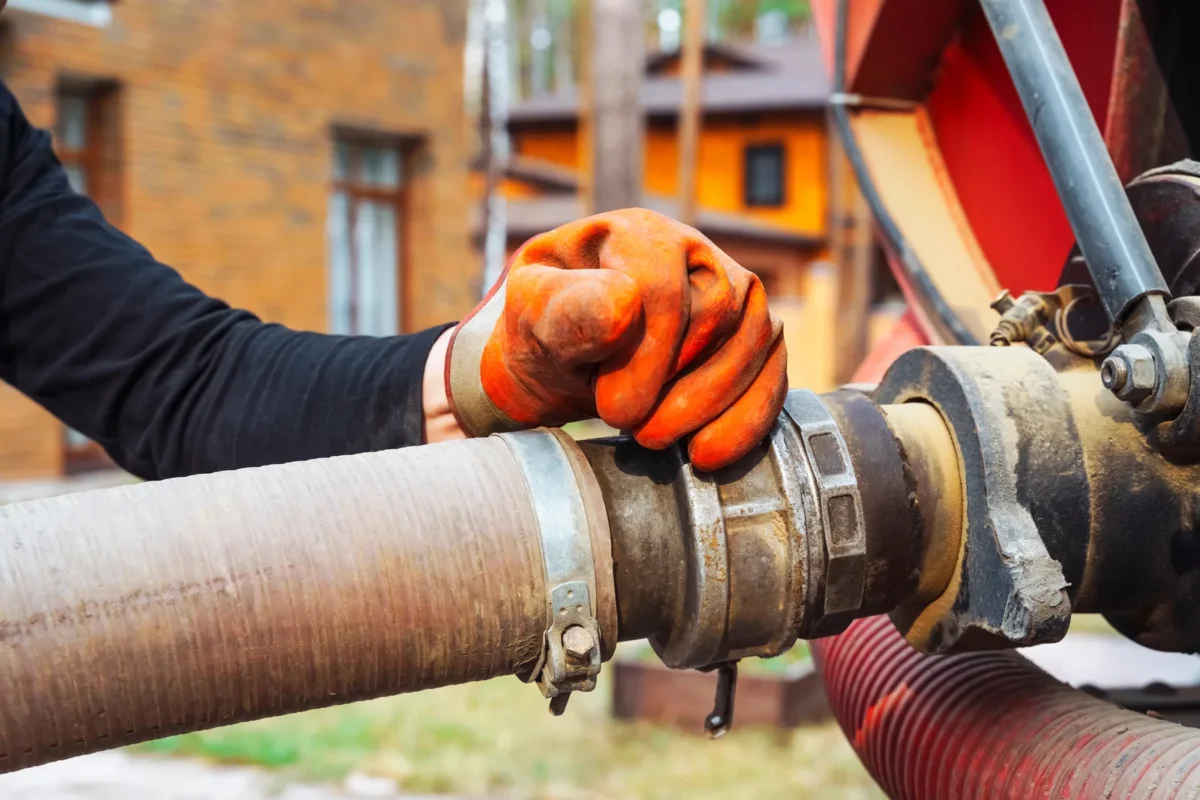
Tank contents
Unknown contents require assessment before equipment and a receiving destination can be selected.
Loading arrangements
Settled deposits can require a different recovery approach from freely flowing liquid.
What the tank contains
A surface sample may miss sludge on the bottom or a separate liquid layer. Oil, chemicals and settled solids all affect handling. The description must account for the material being removed, including any change caused by the process that produced it. Separate wastes should remain separate until compatibility and disposal arrangements are established.
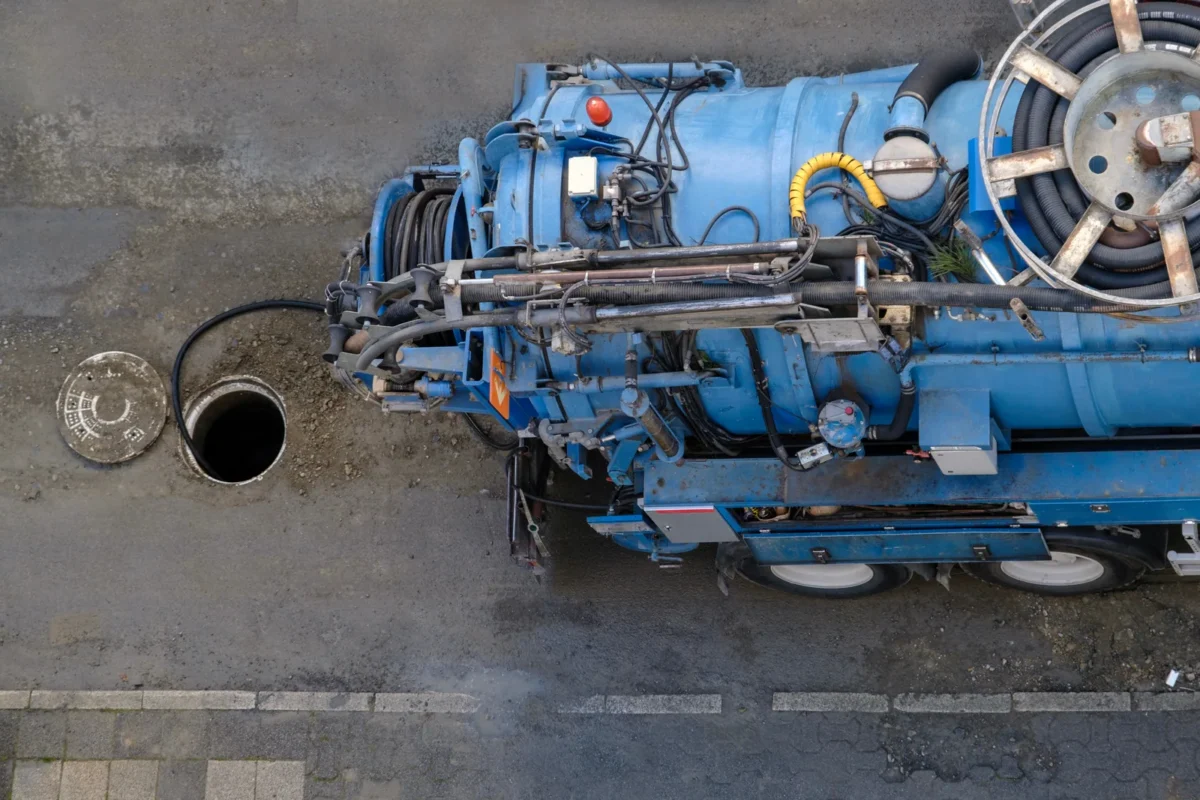
Liquid waste collection
Complete the form and we will get back to you.
Pumping and loading
The tank opening, hose position and vehicle standing area affect removal. Freely flowing liquid can behave very differently from a thick deposit. Where pumping will leave material behind, the limitation and any additional cleaning needed should be identified.
Changes found on arrival
If the contents differ from the description, the collection arrangements need checking before work continues. The receiving facility must be able to handle that waste, and unknown material must not be opened or mixed merely to identify it. The collection record should identify what was removed, its destination and any residue left in the tank.
Liquid Waste Removal: common questions
Can a sewage tanker take industrial liquid waste?
Only when the equipment and receiving facility can handle that industrial waste.
Is tank cleaning included?
Tank cleaning is included when specified. Deposits left after pumping may require a separate visit or method.
Can separate wastes be mixed before collection?
Keep them separate until compatibility and the disposal route have been checked.
Why assess more than the surface liquid?
Sludge or other liquid layers below the surface can change the pumping and treatment requirements.
What happens if the contents differ from the description?
We check the material and confirm revised collection arrangements before continuing.