Capacity and how quickly it fills
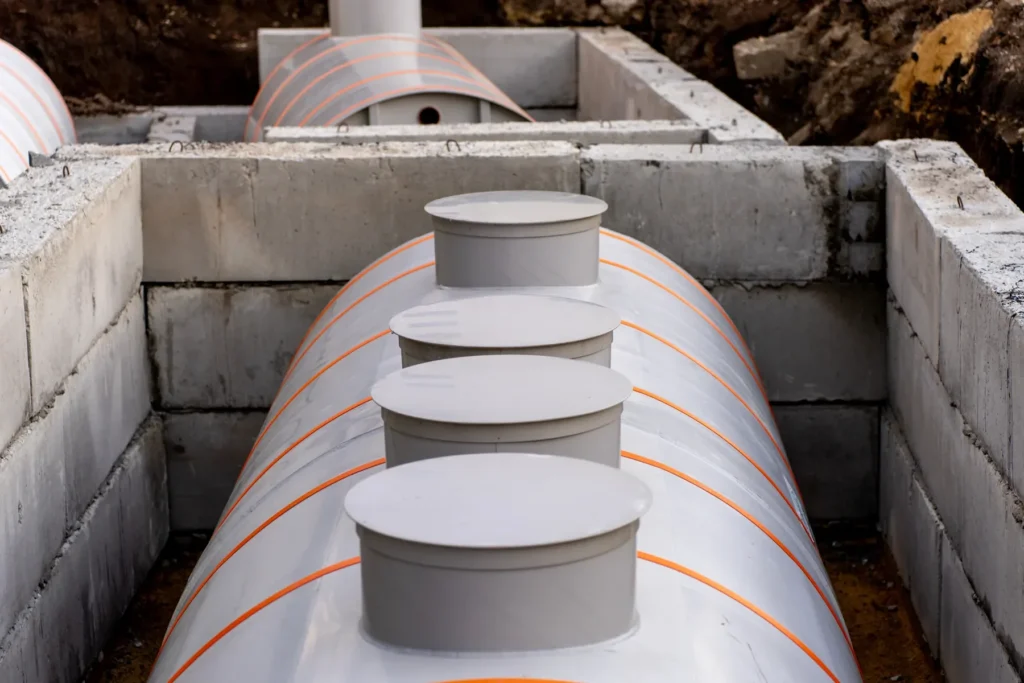
The usable capacity of the tank and the amount of wastewater the property produces together determine the interval between collections. Every bath, shower, washing machine cycle and toilet flush adds to the stored volume. Occupancy therefore has a direct bearing on how frequently a cesspool needs emptying. Government guidance for new cesspools in England sets a minimum capacity of 18,000 litres for two users, with a further 6,800 litres for each additional user. These are requirements for new installations, not an indication of the actual capacity of an existing tank.
Anything putting unnecessary water into the tank can shorten the interval and increase the annual cost. A yard gully or downpipe wrongly connected into the foul drainage, a running cistern or a dripping valve can add water that still has to be collected. On farms and commercial premises, changes in occupancy, washing activities or water use can have the same effect. The important figure is the amount entering the tank between collections, not simply its stated capacity.
The volume removed on each visit
The amount of waste collected is an important part of the price. A full collection from a large cesspool may exceed the carrying capacity of the tanker attending, which can require a larger vehicle or more than one load. The number of loads, the volume accepted for disposal and the arrangements at the receiving site can all affect the charge.
Partial collections, where only some of the contents are removed, can leave less available storage and bring the next visit forward. A smaller invoice for one collection does not necessarily mean a lower annual cost. Ask whether the quoted service covers all accessible contents or a specified volume. Cesspool emptying explains the collection process itself.
Access, hose runs and where the tanker stands
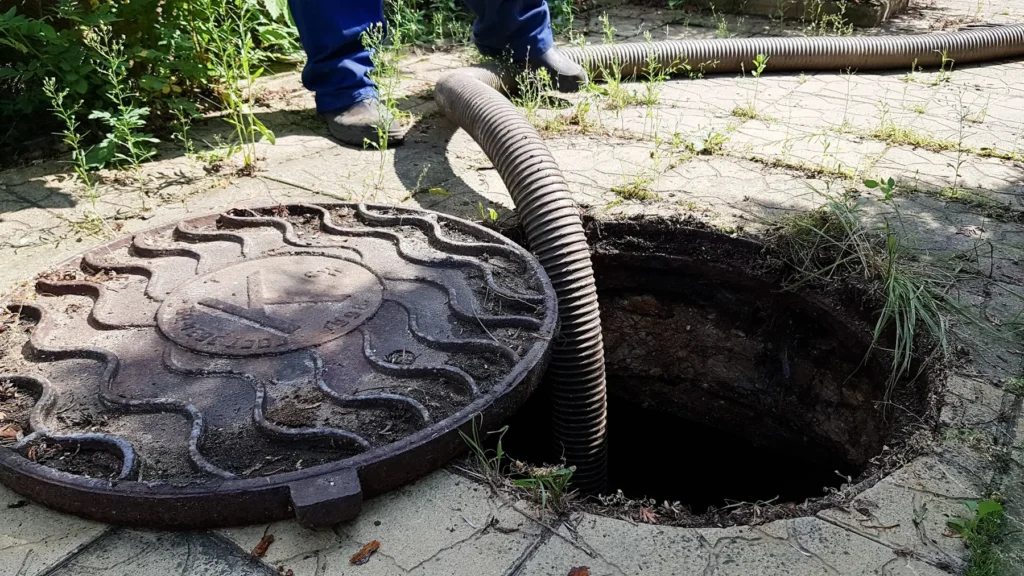
Where the vehicle can stand and how much hose has to be run affect the work involved in each collection. With repeated visits throughout the year, difficult access can become a recurring cost rather than a one-off inconvenience.
- Distance from suitable vehicle standing to the access cover
- Height difference between the vehicle and the tank, which can affect pumping arrangements
- Lane width, turning space, weight limits and overhanging trees on the approach
- Covers that are buried, sealed, seized or under a hard surface
- Ground conditions that may restrict access for a loaded tanker
Approved Document H provides guidance for drainage and waste disposal in England, including cesspool siting and access. Its guidance identifies a maximum distance of 30 metres from vehicle access and specifies a lockable access point for emptying. Existing tanks may have less convenient arrangements, so the actual vehicle position and hose run should be considered when comparing prices.
Distance to a permitted disposal point
Collected cesspool contents must be taken to a facility authorised to receive the waste. Transport and disposal can form a significant part of the charge, particularly where collections are frequent. A property some distance from a suitable receiving facility may face different costs from an otherwise similar property nearer to one.
For that reason, the disposal destination matters when looking at the cost across a year. Two identical tanks can have different annual emptying costs because of collection frequency, travelling distance and the arrangements available to the contractor. Liquid waste removal explains how collected material is handled and documented.