A septic tank can back up after heavy rain because the surrounding ground has become too saturated to accept wastewater from its drainage field. When this happens, water leaving the tank cannot disperse at its usual rate. Liquid levels may rise and wastewater can eventually back up towards the property.
However, rainfall is not always the underlying cause. An overdue sludge removal, blocked outlet or deteriorating drainage field can produce similar symptoms. The important distinction is whether the problem follows wet weather or persists regardless of rainfall.
Why saturated ground restricts septic drainage
A conventional septic tank separates solids from wastewater before allowing settled liquid to pass into a drainage field. The drainage field distributes this effluent through surrounding soil, where further treatment takes place.
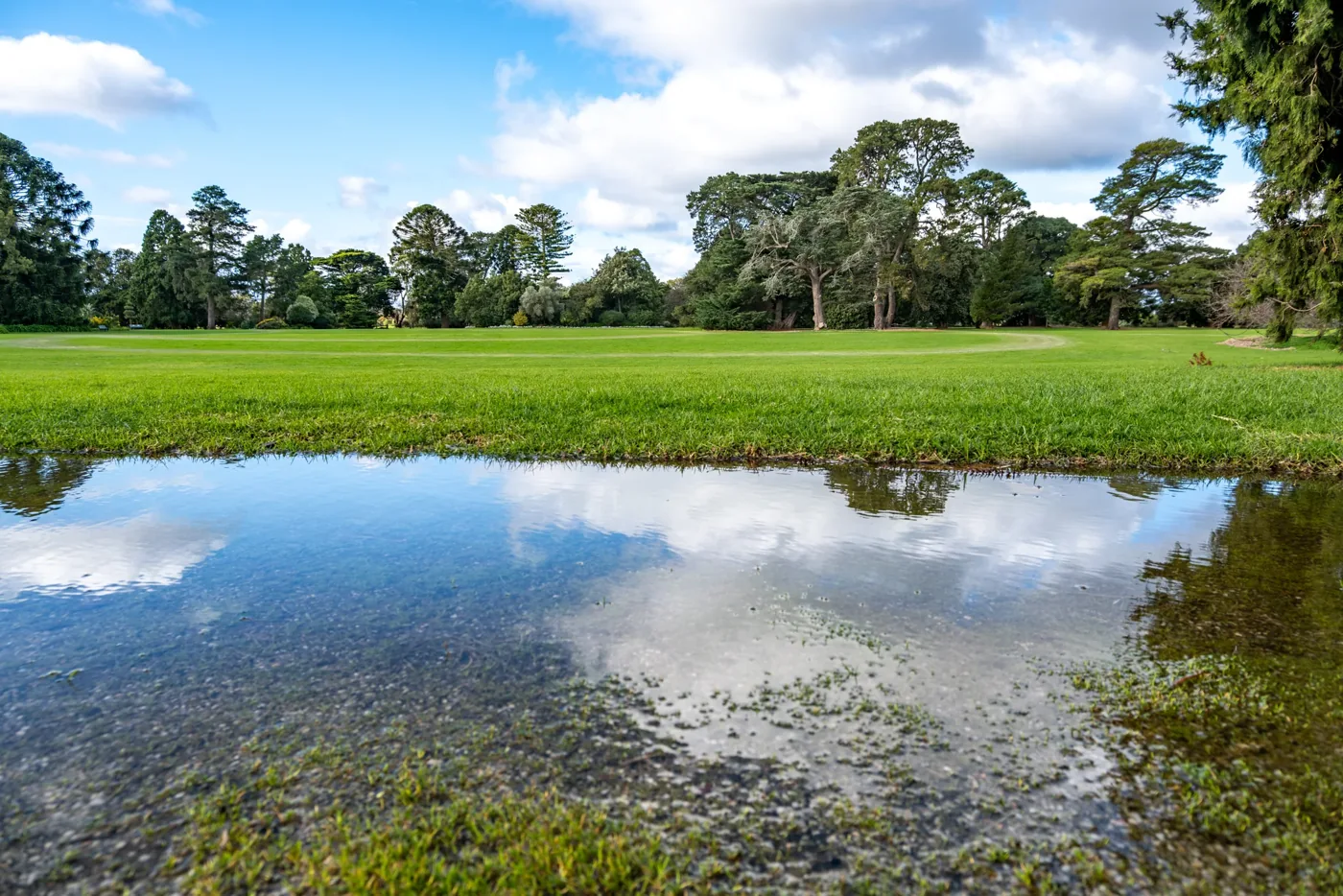
During prolonged rainfall, the spaces between soil particles can become filled with water. The soil then has less capacity to accept additional liquid from the drainage field. This is particularly noticeable where groundwater levels rise towards the drainage pipes.
The tank may continue receiving wastewater from toilets, showers and sinks even though its outlet cannot discharge freely. When the drainage field cannot accept the usual flow, the liquid level can rise in the tank and connected drains.
The Environment Agency recognises that groundwater flooding can cause problems with septic tanks. Its guidance for England also recommends specialist advice before emptying tanks affected by flooding.
Ground conditions are important. A drainage field installed in poorly permeable soil may struggle during lengthy wet periods, while an otherwise suitable field can temporarily lose infiltration capacity when groundwater rises unusually high.
What the timing of a backup tells you
The relationship between rainfall and drainage performance provides a useful starting point for identifying the fault.
- Problems only after prolonged rain: Saturated ground or elevated groundwater becomes a strong possibility, particularly where drainage improves during drier weather.
- Problems following one short shower: A rapid response may indicate surface water entering damaged drainage infrastructure, although an already saturated field can also react quickly.
- Problems during dry conditions: Persistent restrictions, excessive solids accumulation or a failing drainage field become more likely.
- Problems immediately after emptying: If liquid levels rise unusually quickly, the cause may involve groundwater ingress, restricted discharge or another inflow rather than ordinary household wastewater alone.
A septic tank not draining properly can therefore have several explanations. Rainfall timing helps narrow the possibilities but does not identify the affected component conclusively.
How sludge accumulation changes the picture
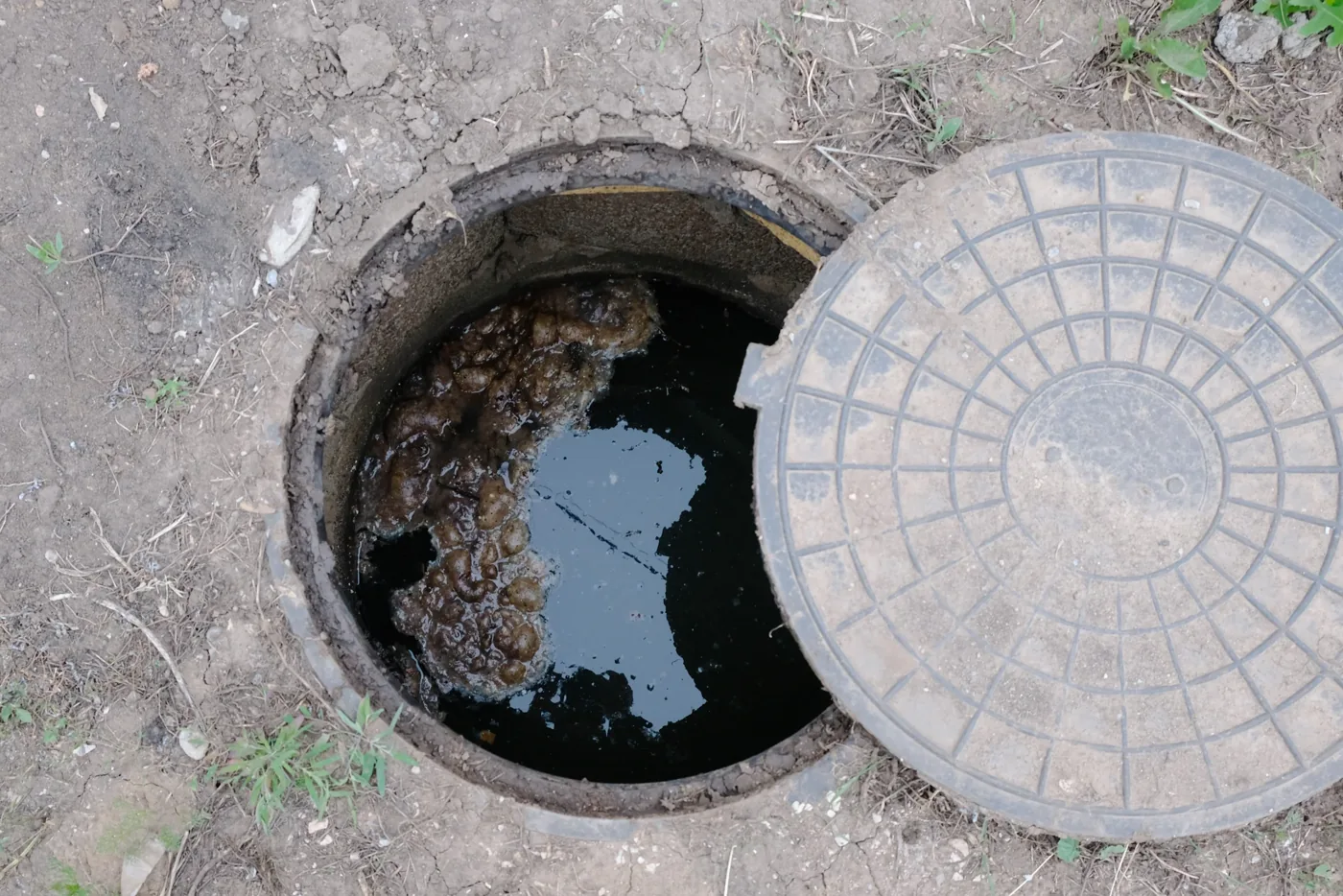
Sludge gradually collects at the bottom of a septic tank, while floating material forms a scum layer. Both reduce the space available for effective separation when allowed to accumulate excessively.
Without suitable maintenance, solids may pass towards the outlet and drainage field. That can contribute to restrictions which remain even after the surrounding ground becomes drier.
Importantly, a tank normally contains liquid during operation. A high-looking liquid level alone does not prove it needs emptying. The level must be considered against the outlet position, internal solids and how wastewater is leaving the system.
The drainage field explanation provides further detail about the component responsible for dispersing settled effluent.
When emptying will not resolve the cause
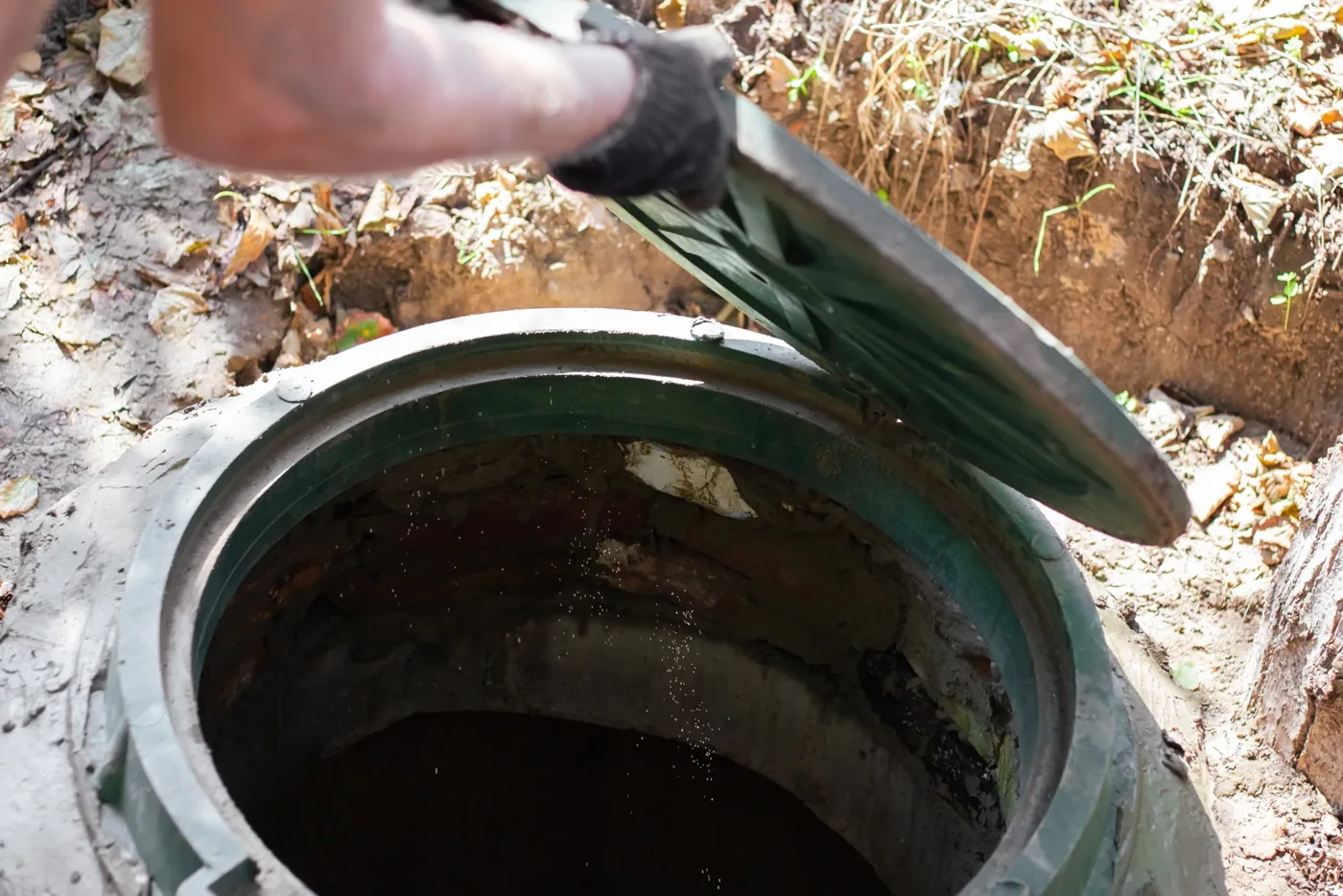
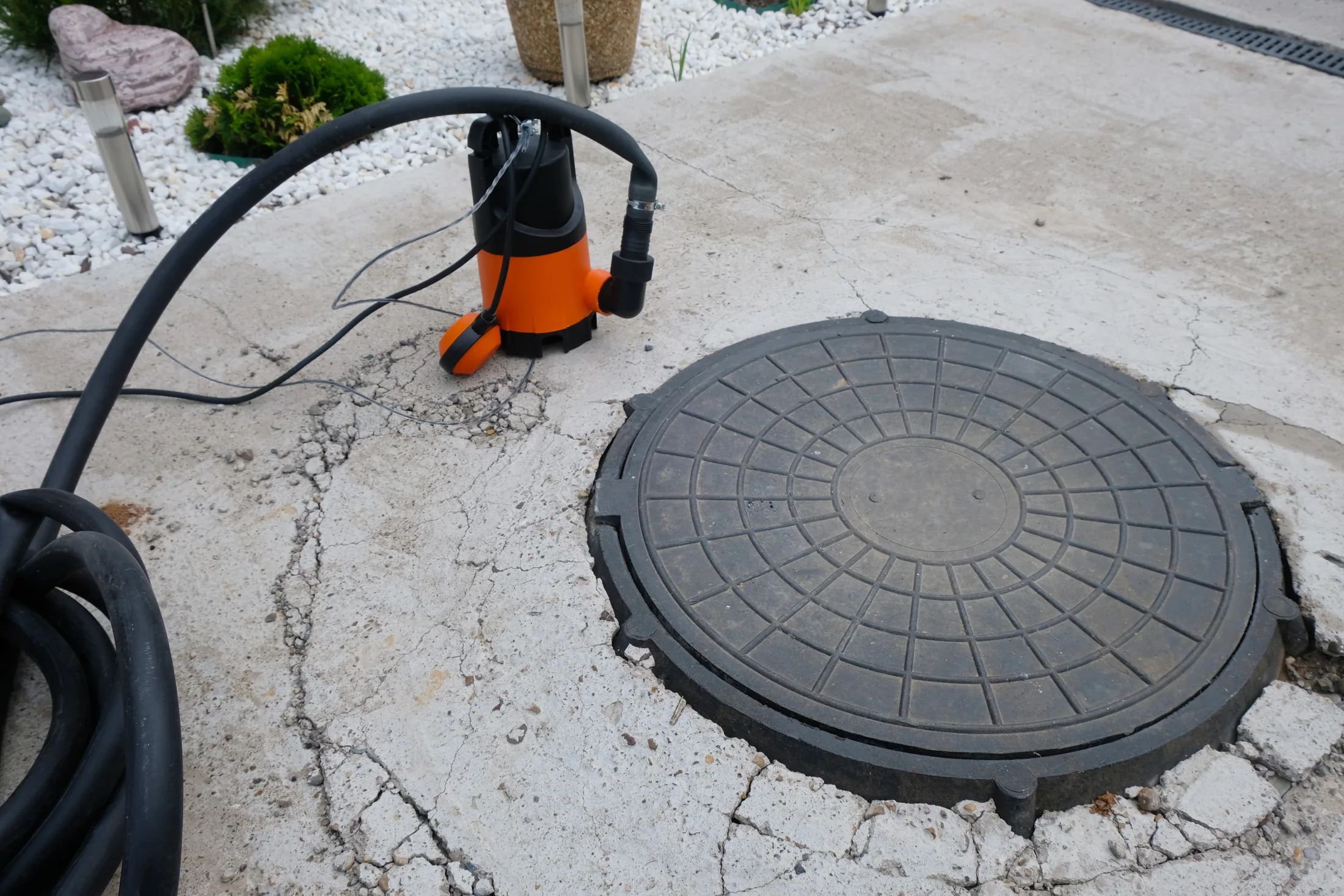
Removing accumulated sludge is appropriate when maintenance is due, but it cannot make saturated soil absorb water more quickly. Pumping may temporarily create storage space without correcting the restriction beyond the tank.
Emptying during significant groundwater flooding also needs particular care. External water pressure can affect buried tanks, and the Environment Agency advises consulting a drainage contractor first because emptying in extreme conditions can cause a tank to lift.
Choosing the next investigation
Useful information includes when the backup started, whether neighbouring ground remains waterlogged, the date of the last emptying and whether the problem disappears during dry spells.
A drainage professional can assess accessible tank levels, sludge accumulation, outlets and pipework before deciding whether investigation should extend into the drainage field.
If backups repeatedly follow heavy rainfall after the tank and outlet have been checked, investigate drainage-field performance rather than relying on further emptying visits. The soakaway problems service covers recurring drainage restrictions and wet ground.
Drainage field recovery depends on what has restricted performance. Temporarily saturated soil may regain infiltration capacity as groundwater falls. A field obstructed by accumulated solids, damaged pipework or longer-term deterioration may require further work.
Start with the weather pattern, then check the tank’s maintenance history and outlet condition. This helps establish whether the problem may ease as the ground dries or needs further investigation.