Yes. A sewage treatment plant can still require desludging even when the water leaving it looks clear. Effluent clarity describes the visible appearance of the discharged water, not the amount of sludge accumulated inside the treatment plant.
A functioning plant separates, treats and retains different materials as wastewater moves through its internal stages. Solids can continue building up in designated compartments while the outlet water appears relatively clear.
What clear outlet water actually tells you
Clear-looking effluent may be an encouraging observation, but it cannot establish whether the plant is operating within all its required limits.
Fine suspended material, dissolved pollutants and substances that cannot be identified by appearance may still be present. Equally, the plant could be retaining solids successfully while approaching its sludge storage limit.
Effluent clarity and sludge accumulation therefore answer different questions:
- Outlet appearance: What can be observed in the liquid leaving the system.
- Sludge quantity: How much accumulated material is stored inside designated treatment compartments.
- Maintenance condition: Whether the plant’s internal equipment and treatment stages are operating as intended.
None of these measurements automatically replaces the others. A visually satisfactory discharge does not establish the condition of every part of the installation.
Where sludge accumulates inside a treatment plant
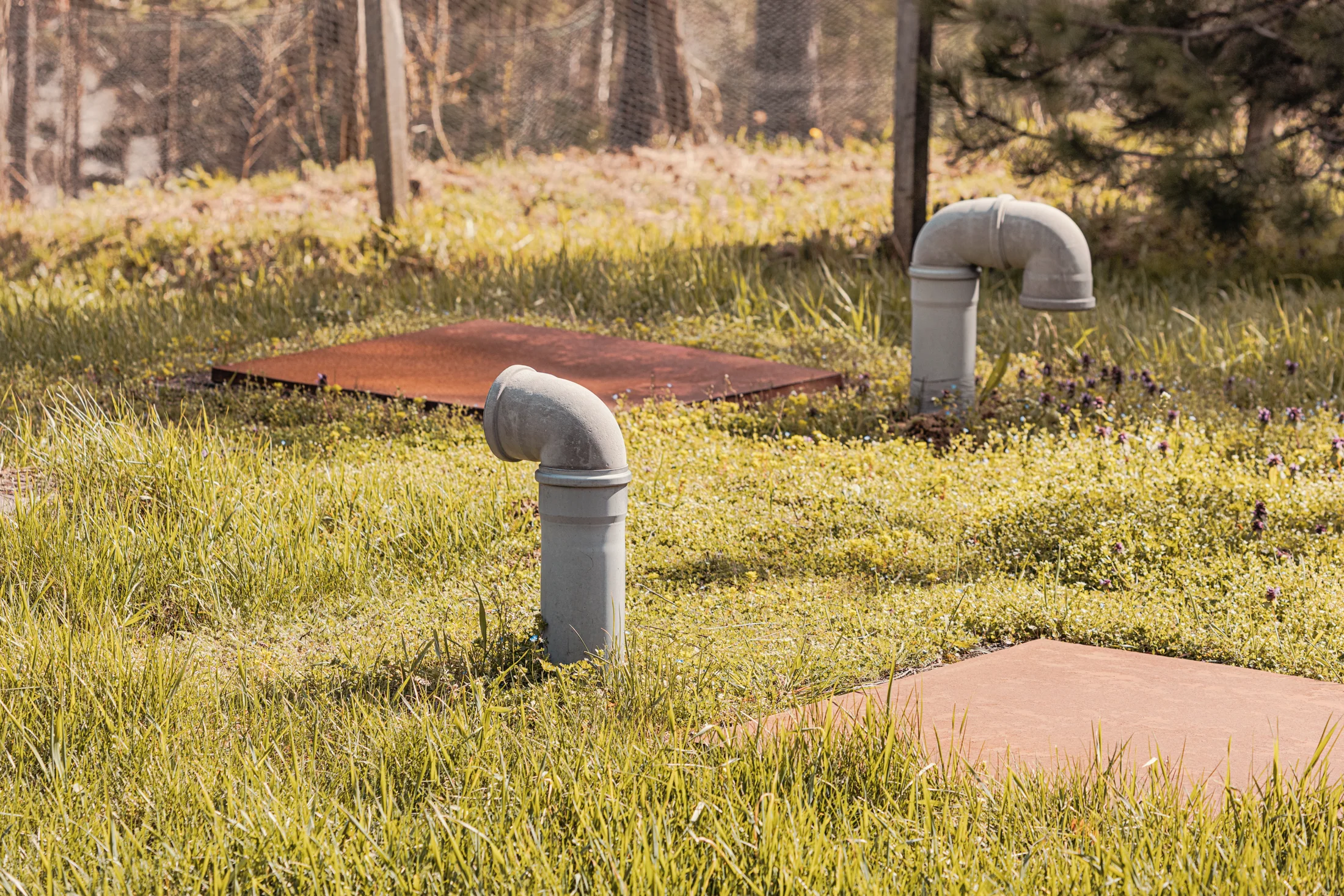
Small sewage treatment plants use different internal arrangements depending on their manufacturer, model and treatment process.
Some have dedicated primary settlement zones, biological treatment chambers and final settlement compartments. Others combine functions within compact treatment units or use different methods of managing biological solids.
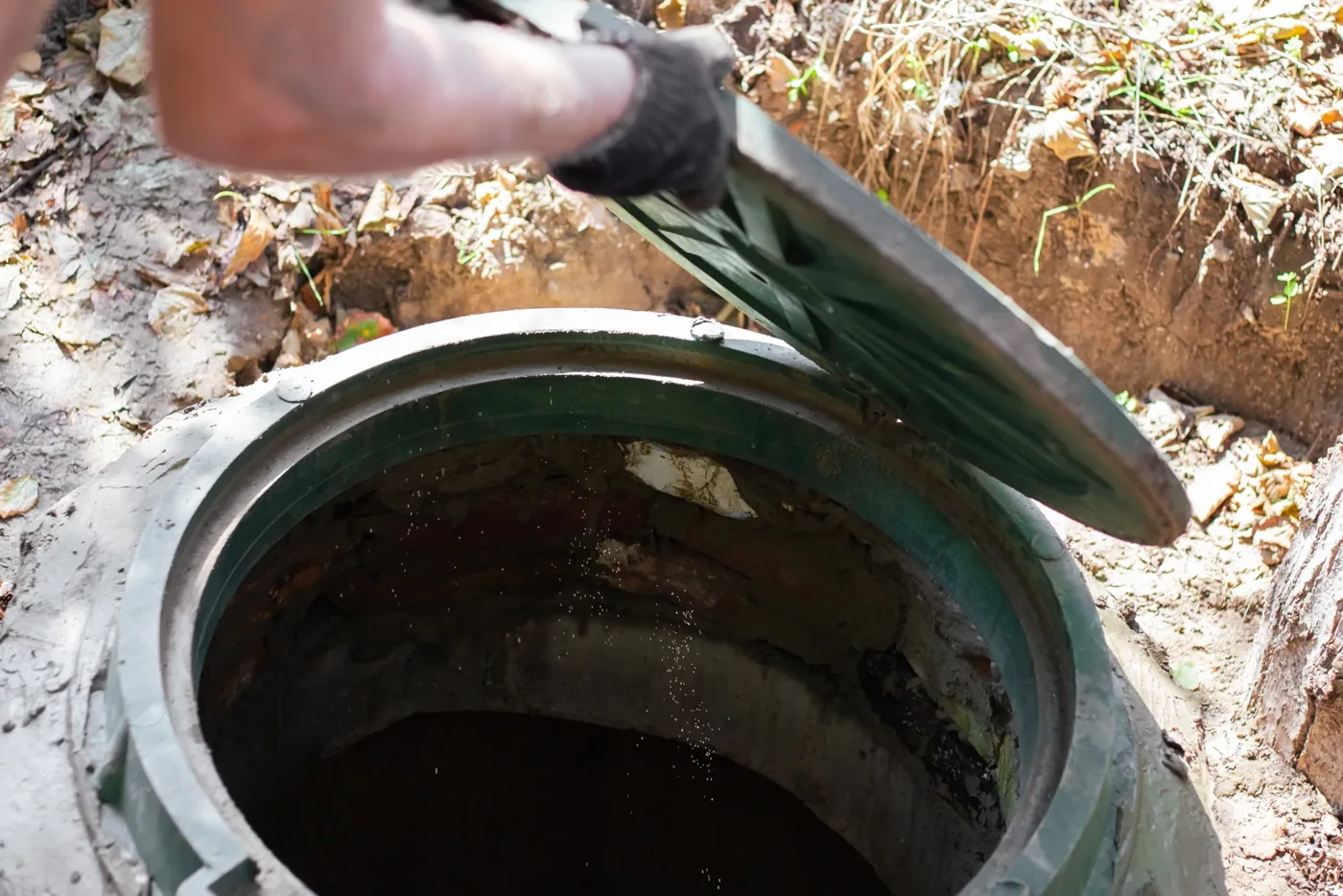
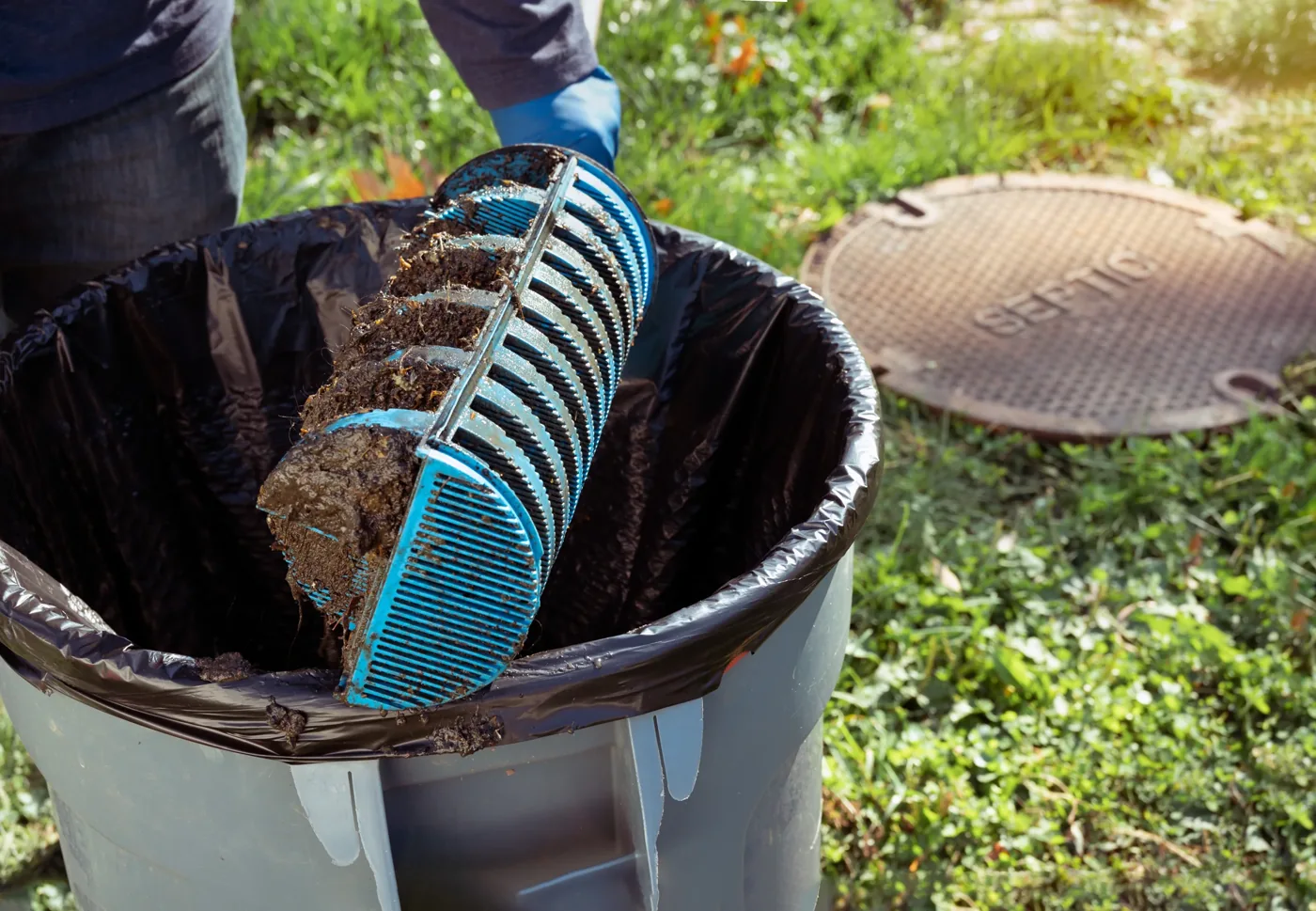
During treatment, heavier material may settle and biological growth can produce additional sludge. Although some systems move or recirculate solids between chambers, material ultimately needs managing according to the design.
The amount and location of retained sludge matter more than the appearance of the outlet alone.
For example, one compartment may contain a substantial accumulation requiring removal while another contains material essential to the normal treatment process. Emptying every chamber indiscriminately is not necessarily appropriate.
Some treatment systems also require specific liquid levels, retained biomass or prescribed restarting arrangements. Maintenance must follow the manufacturer’s instructions for the installed model.
How sludge levels should be assessed
A suitable assessment begins by identifying the make and model, checking the manufacturer’s maintenance requirements and reviewing previous servicing and desludging records.
A competent maintenance professional can then assess relevant compartments using methods appropriate to that particular system.
Useful information includes the time since the last removal, the property’s occupancy, changes in wastewater loading and whether any faults have affected normal treatment.
Where the plant serves a commercial property or experiences variable occupancy, actual usage may differ considerably from assumptions made when its maintenance schedule was established.
Assessment should also distinguish accumulated removable sludge from materials or biological conditions that the system needs to retain for effective operation.
When desludging becomes necessary
For small sewage treatment plants covered by England’s general binding rules, the Environment Agency requires accumulated sludge to be removed before it exceeds the plant’s maximum sludge capacity. Its guidance for discharges to surface water and to ground says desludging should take place at least once a year or in line with the manufacturer’s instructions.
These requirements concern sludge management, not whether the outlet water appears cloudy on a particular day.
The manufacturer’s specified limits and maintenance arrangements remain central to deciding which compartments require work and how that work should be completed.
Some installations may require attention sooner because of actual loading or accumulated material. Conversely, a recent appropriate desludging visit should be considered when evaluating whether another removal is necessary.
Why the correct procedure matters
Removing excessive sludge helps preserve the treatment capacity intended by the plant’s design. However, unnecessary or incorrectly targeted removal can disturb biological treatment and normal operating conditions.
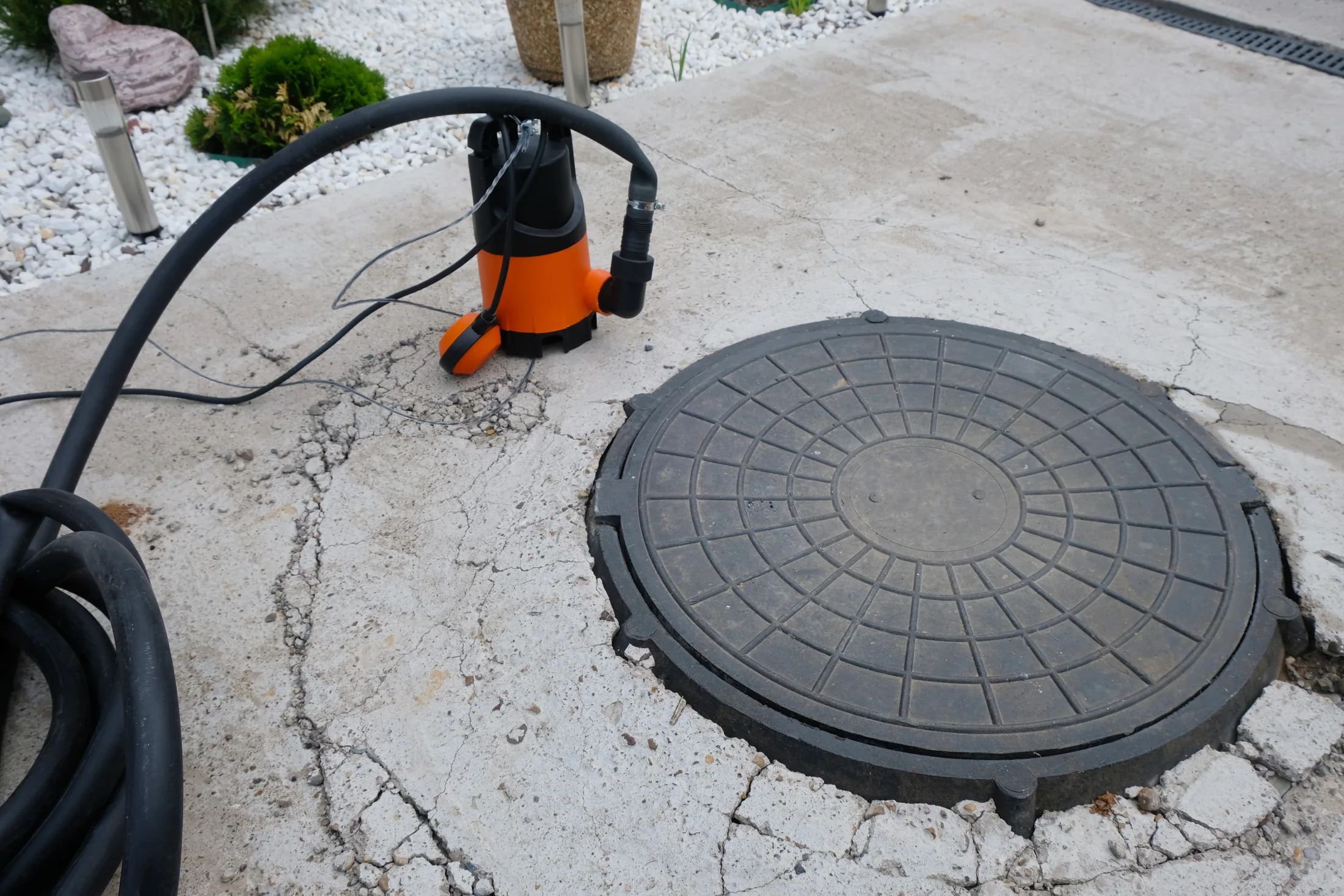
The sewage treatment plant emptying service information explains the importance of matching sludge removal and restart requirements to the installed model.
For branded installations, the Klargester emptying guidance also illustrates why individual models should not be treated as identical equipment.
The practical decision is therefore based on the quantity and position of accumulated sludge, the manufacturer’s limits and the plant’s maintenance history. Clear effluent is useful observational information, but it is not evidence that desludging can safely be postponed.