Restaurant septic tank problems after busy weekends often happen because a short period of intensive trading sends more wastewater into the system than it can comfortably process. More customers mean additional toilet flushing, handwashing, dishwashing and kitchen cleaning, sometimes concentrated into just a few hours. A system that appears satisfactory during quieter weekdays may struggle when those activities happen together.
The important distinction is whether the problem results from a temporary increase in wastewater flow, accumulated solids, unsuitable kitchen discharge or a drainage system that cannot cope with normal peak demand.
Why weekend trading creates different wastewater demands
A restaurant rarely produces wastewater at a constant rate. Friday evenings, Saturday services and Sunday lunches can generate pronounced peaks, particularly where kitchen cleaning begins as customer facilities remain busy.
This creates additional hydraulic loading, meaning more liquid passes through the tank over a particular period. A septic tank needs sufficient capacity for solids to settle before the remaining liquid moves towards the drainage field.
When wastewater passes through too quickly, settling conditions may deteriorate. Increased flow can also expose an existing outlet restriction or an already struggling drainage field.
Consider the difference between a restaurant serving a modest number of weekday customers and the same premises operating at full capacity throughout Sunday lunch. The physical tank has not changed, but the volume and timing of incoming wastewater have.
Signs worth recording include:
- Toilets draining slowly towards the end of a busy service.
- Gurgling or backing-up affecting several fixtures.
- Unusual liquid levels that coincide with trading peaks.
- Wet ground or sewage smells around the drainage field.
- Problems that temporarily improve during quieter periods.
The timing helps establish a pattern, although it does not identify the defective component on its own.
Kitchen wastewater is not the same as toilet sewage
Commercial kitchens add fats, oils, food residues, detergents and hot washing water to the overall wastewater stream. These substances can affect tank operation differently from ordinary toilet sewage.
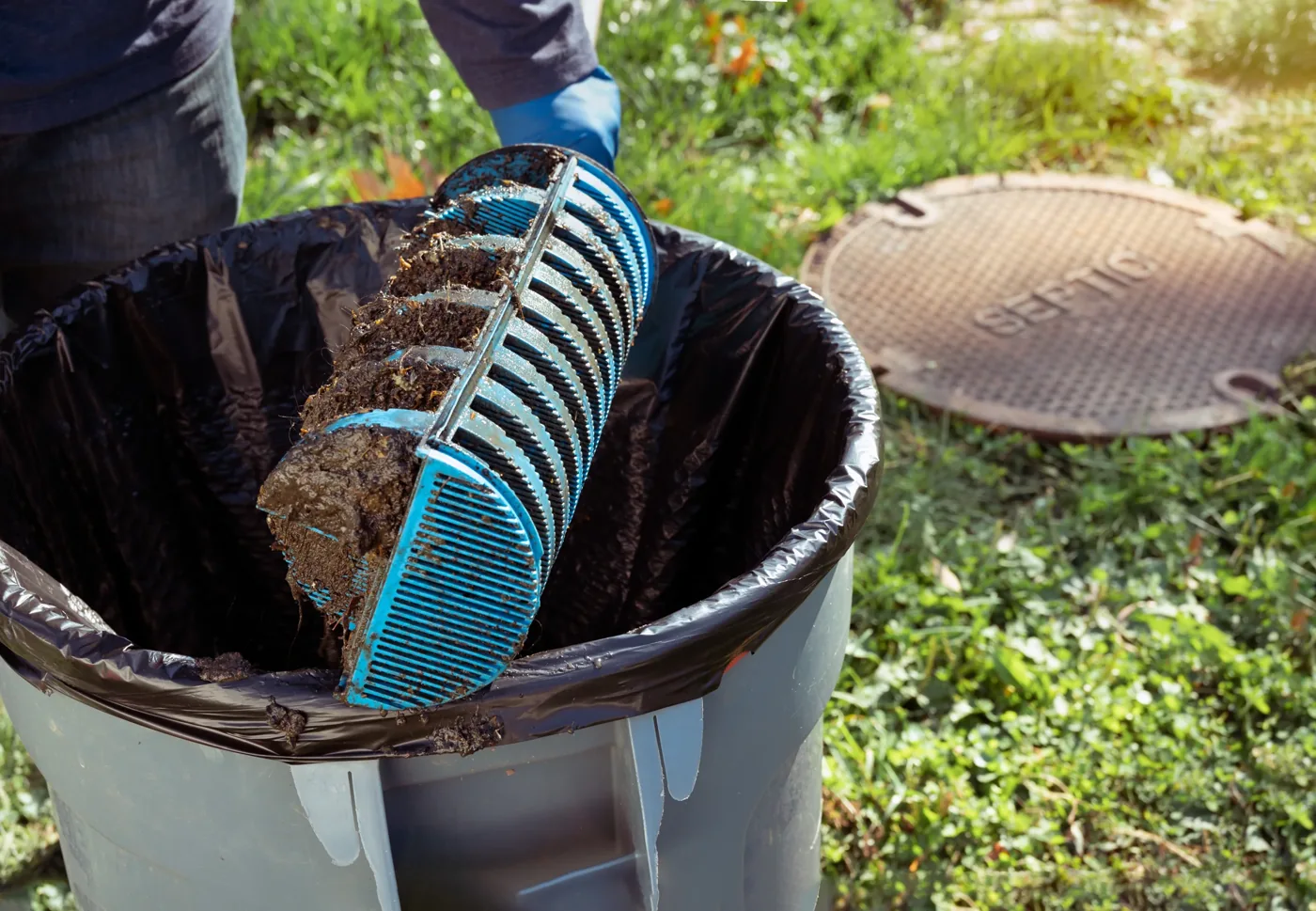
Fats and oils may accumulate as a floating scum layer, while food particles increase the solids entering the tank. Heavy accumulation can reduce the effective space available for settling. Grease deposits can also contribute to restrictions in upstream drainage.
It is important not to assume that every restaurant kitchen discharge is legally classified as trade effluent. The Environment Agency’s guidance on domestic sewage classification includes commercial cooking for direct sale to consumers within domestic activities. Washing dishes and cooking equipment is included where its scale is comparable to domestic cooking. Larger-scale food processing, cooking and packaging for off-site sale, or a significant proportion of wastewater unlike normal household sewage may fall outside that classification.
Classification therefore depends on the nature and scale of the activities and what enters the wastewater, not simply the presence of a commercial kitchen.
When emptying helps and when it does not
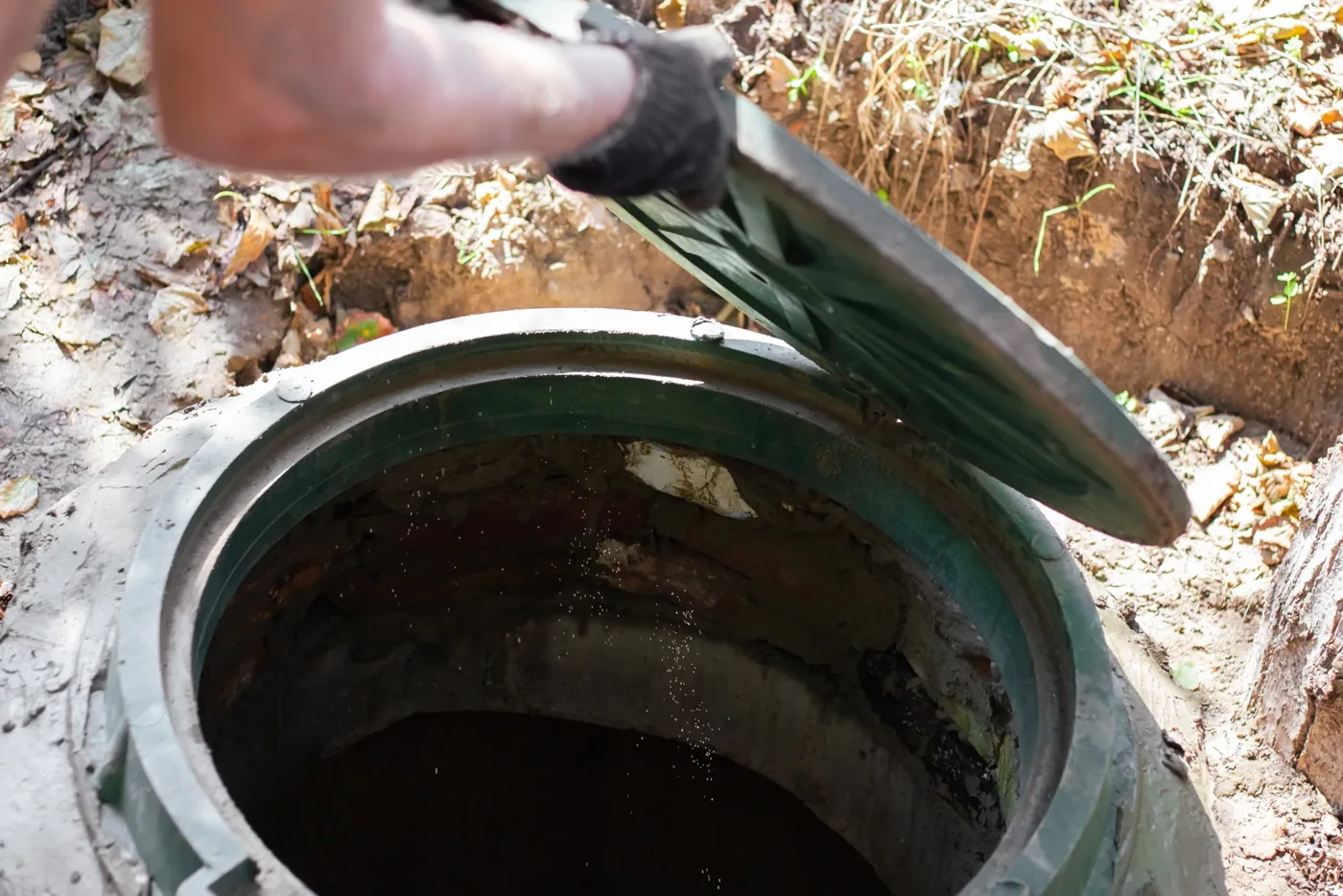
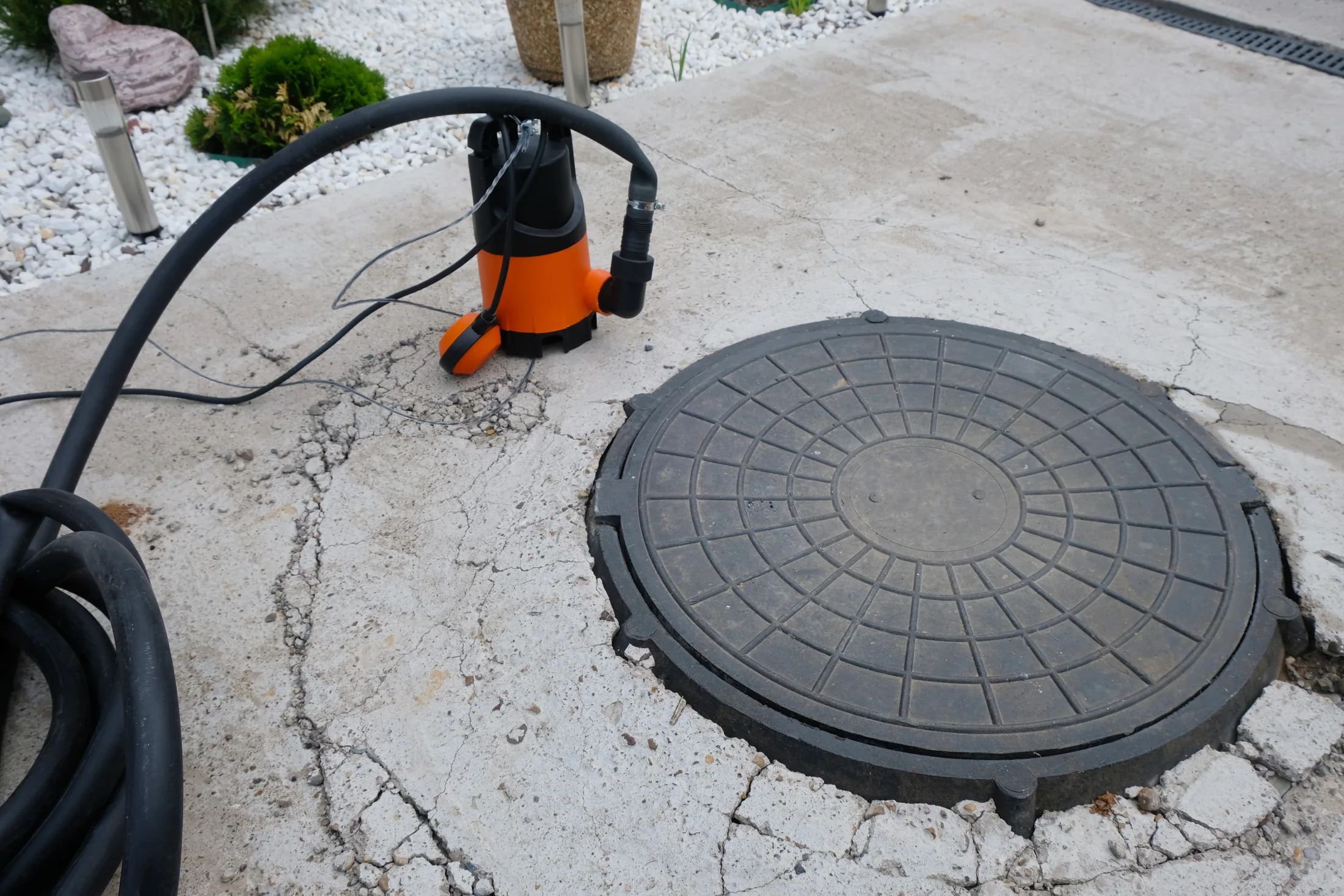
Accumulated sludge and scum can reduce useful tank capacity and increase the risk of solids reaching the outlet. Where maintenance is overdue, pub and restaurant septic tank emptying addresses this accumulation.
However, removing sludge does not increase the permanent treatment capacity of an undersized installation or restore drainage through saturated ground.
A tank that repeatedly develops high liquid levels soon after emptying may have an outlet restriction, drainage field deterioration or excessive incoming flow. The relationship between the tank and the surrounding ground is explained in the drainage fields guide.
Where peak demand consistently exceeds the system’s capability, additional emptying alone may provide little lasting benefit. The installation’s capacity, discharge route and kitchen drainage arrangements need to be considered together.
What restaurant operators should establish
Useful information includes the number of covers during affected services, whether additional kitchen equipment has been installed, when the tank was last desludged and whether problems occur independently of rainfall.
It also helps to distinguish a sudden change from a longstanding pattern. A restaurant that operated reliably for years before developing weekend problems may have a developing restriction or maintenance issue. One that has struggled since increasing seating capacity may be placing greater demands on its original installation.
Keep a simple record of busy-service covers, approximate washing and cleaning periods, when slow drainage begins, and whether symptoms clear overnight. Check whether grease-management equipment is being maintained and whether food residues or fats are entering drains unnecessarily. Compare these observations with tank-emptying records and any recent increase in seating or kitchen activity.
The aim is to establish whether the tank needs sludge removal, an outlet or drainage-field restriction needs investigating, or peak wastewater demand has outgrown the existing arrangement. If the same symptoms follow successive busy weekends, the pattern deserves investigation rather than automatically arranging another emptying visit.