Rules differ across the UK
In England, small sewage discharges may be covered by the Environment Agency’s general binding rules. These concern where wastewater goes after treatment, rather than the physical emptying of the tank. Our general binding rules guide explains the requirements. You can also read the official GOV.UK guidance on septic tanks and sewage treatment plants.
Northern Ireland has different requirements. Discharges are regulated through the Northern Ireland Environment Agency, with consent requirements explained by DAERA’s guidance on regulating water discharges. Scotland and Wales also have their own regulators and requirements. Cesspits and cesspools are different from septic tanks because they store wastewater for removal rather than treating it and discharging liquid. Read our cesspit vs septic tank guide for the differences.
Choosing the right emptying service
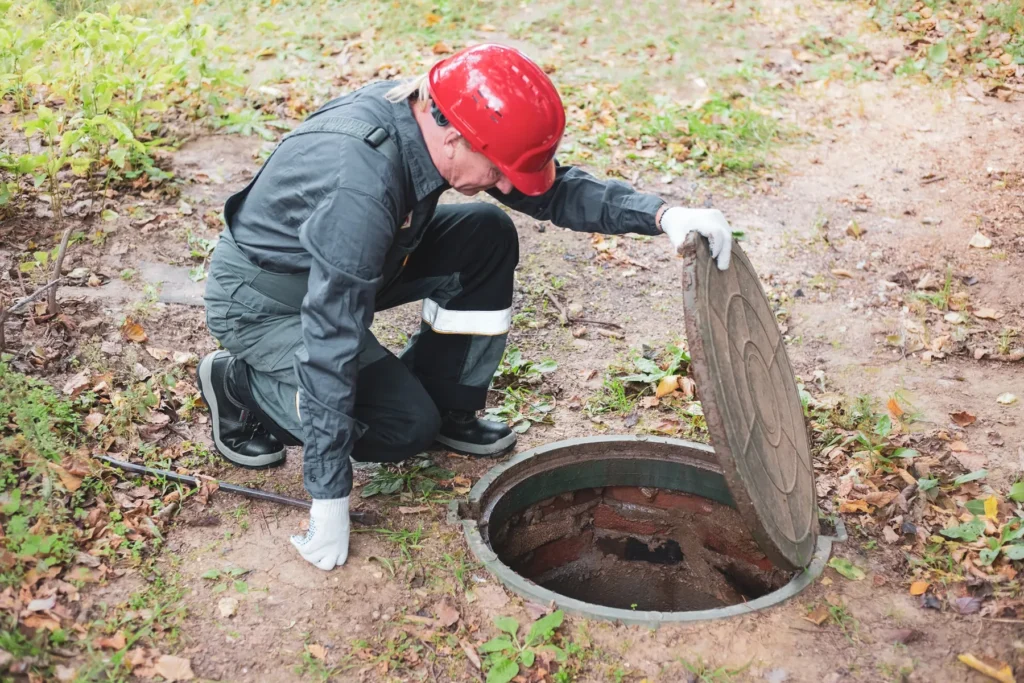
A septic tank usually needs accumulated sludge removed while allowing the system to continue operating as intended. A sealed cesspit stores its contents until they are taken away. Package treatment plants have their own desludging requirements, depending on the installed equipment. These differences matter when describing the system and the emptying work needed.
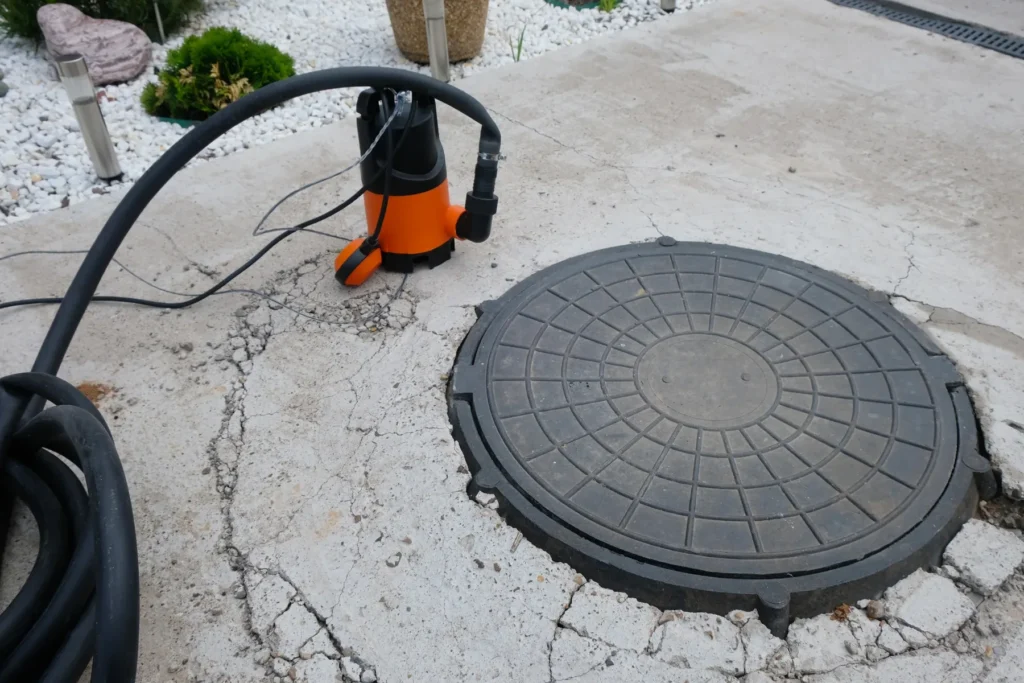
For properties with difficult access, useful details include where the tank is situated, whether there is a suitable route for a tanker and how far the tank is from a possible parking position. Farm buildings, shared access roads and remote tanks can all affect the practical arrangements. The individual area pages provide more detail about the local circumstances that may be relevant.