Sewage Treatment Plant Servicing

Sewage treatment plant servicing involves checking the blower, diffusers, pumps, floats, filters, controls and alarm. It is different from the tanker visit that removes sludge. Both are important, but the work and maintenance schedules are not the same.

HomeSewage Treatment Plant Servicing

Sewage Treatment Plant Servicing quote

What servicing actually covers

Sewage treatment plant servicing is maintenance of the equipment that treats wastewater. Unlike a septic tank, a package treatment plant uses mechanical components to support the biological treatment process. These components need regular inspection, cleaning and, where necessary, adjustment or replacement. A service checks their condition and operation against the requirements of the particular plant.

That is a different job from emptying. A tanker visit removes accumulated sludge so the plant has the working volume it needs. It does not necessarily clean a diffuser, test an alarm or replace a worn blower diaphragm. Sewage treatment plant emptying covers the sludge removal side. Many plants need both services, with the work scheduled according to the manufacturer’s instructions and the condition of the system.

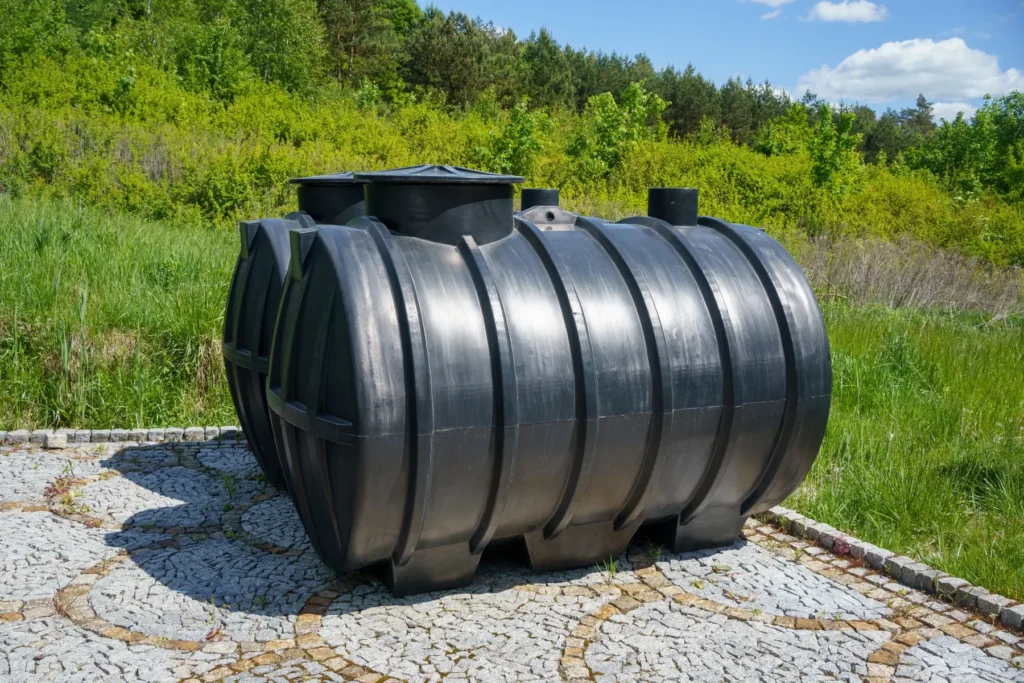
Large ribbed black plastic tank with moulded access openings standing on paving in front of trees.

Servicing is different from emptying

Emptying removes accumulated sludge. Servicing checks the mechanical and treatment components, including blowers, pumps, floats, filters and alarms.

Air supply needs checking

On aerated plants, blower and diffuser condition affects oxygen delivery to the treatment process. Air filters, diaphragms and pipework also need attention.

Keep a record of the work

A service record should show the components checked, test results, parts replaced and any further maintenance or repairs required.

Air supply: blower, diffusers and aeration

In an aerated package treatment plant, the blower supplies air to the treatment chamber. This provides oxygen for the bacteria that break down organic waste. Reduced airflow can affect the treatment process, so the blower and its associated components are important parts of a service.

Depending on the make and model, the checks may include:

  • Blower operation, running noise, vibration and general condition
  • Diaphragms, air filters and inlet screens for wear or obstruction
  • Diffusers for fouling and uneven air distribution
  • Air lines and fittings for splits, kinks, leaks and damage
  • Timer or cycle settings where the plant operates intermittently

A persistent smell or an unexpected change in aeration can indicate a problem, although neither confirms a blower fault on its own. Septic tank smells explains other causes of odour around private sewage systems.

Pumps, floats and internal returns

Many treatment plants move wastewater or settled solids between chambers using pumps or airlifts. Some also have a discharge pump to lift treated effluent to its outlet. The arrangement depends on the plant design, so servicing must follow the equipment fitted.

Checks can include pump operation, float switch movement, return airlifts, pipework and any visible obstructions. Grease, debris or sludge can restrict movement, while worn components may affect how reliably the system operates.

Where a separate pumping stage is installed, its condition and operation should also be considered. Our guide to pump chambers explains the equipment commonly found in these installations.

Controls, alarms and electrical checks

The control panel manages the electrical equipment fitted to the plant. Depending on the model, it may operate the blower, pumps, timers and alarm circuits. An alarm or warning light can indicate a problem with the equipment or liquid level, but the meaning varies between systems.

During servicing, the technician should check the relevant alarm functions, inspect the panel and enclosure for visible deterioration, and review available fault information. Electrical testing and repairs should be carried out by someone competent for the work involved.

Any alarm that has activated should be investigated to establish the cause rather than simply being reset. A service record should identify faults found, checks completed and any outstanding repairs.

Filters, media and the settlement zone

Some plants use fixed media, rotating biological contactors or additional filters as part of their treatment process. These components need inspection and maintenance in accordance with the manufacturer’s instructions.

Blocked filters can restrict flow or allow solids to accumulate where they should not. Where an outlet filter is fitted, its condition and cleaning requirements should be checked. Outlet effluent filters explains their purpose and the problems associated with blockages.

The settlement chamber should also be inspected for excess sludge, floating solids and signs of solids passing towards the outlet. These observations help identify whether further cleaning, desludging or investigation is needed.

Sludge depth and the desludging interval

Checking sludge accumulation is an important part of assessing a treatment plant. Excess sludge can reduce the available working volume and interfere with settlement. The amount present, the plant design and the manufacturer’s instructions help determine when removal is required.

Servicing and desludging are separate tasks. A maintenance visit may identify that a tanker collection is needed, but it does not automatically include sludge removal. The correct removal procedure also depends on the model, including any instructions about retaining or restoring the biological treatment process.

In England, the GOV.UK general binding rules for discharges to the ground require sludge to be removed before the system exceeds its maximum capacity. The guidance recommends doing this at least once a year or in line with the manufacturer’s instructions.

In Scotland, SEPA’s maintenance guidance advises owners to empty or desludge regularly or at least annually and maintain package treatment plants according to the manufacturer’s instructions.

Individual brands also have their own maintenance arrangements. Klargester emptying covers sludge removal for that family of treatment plants.

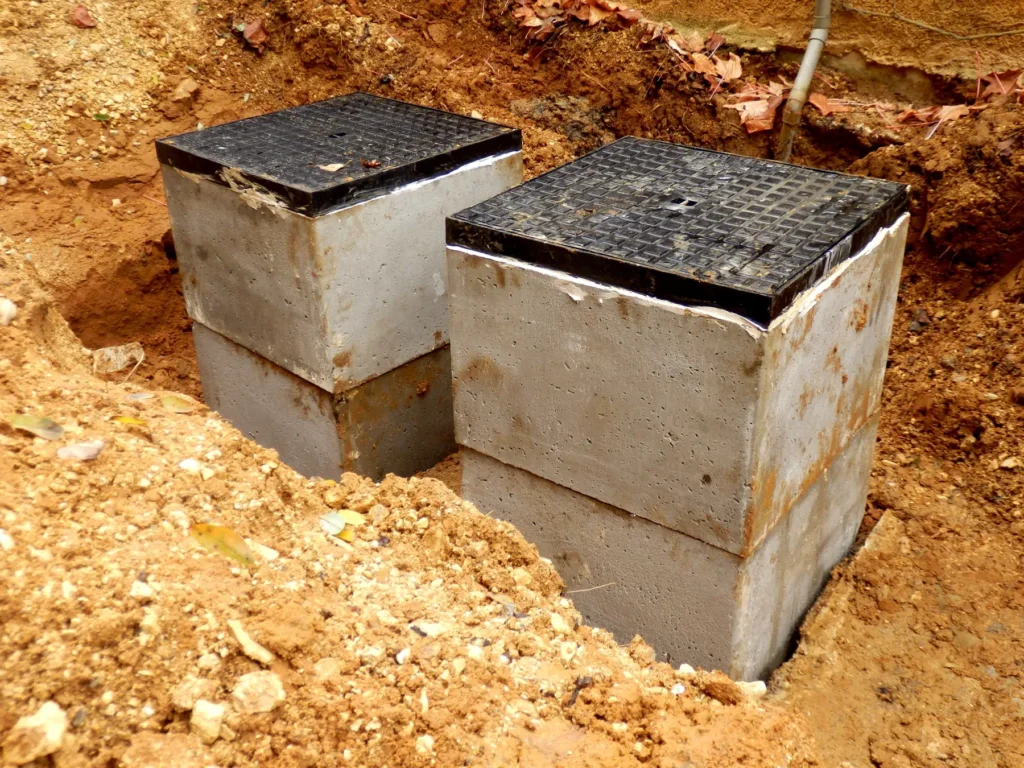
Two concrete inspection chambers with metal covers set into freshly excavated orange soil.

Arrange a service for your treatment plant

Tell us the make and model of your sewage treatment plant, approximately how many people it serves and when it was last serviced. Include any alarms, unusual noises or other problems you have noticed so the servicing requirements can be assessed.

Who should carry out the work

Servicing involves more than removing visible dirt from the chambers. The person carrying out the work needs to understand the plant’s operating system, identify worn or faulty components and follow the correct maintenance procedure for the model.

In England, the general binding rules require anyone carrying out maintenance on the system to be competent. The GOV.UK guidance for discharges to surface water also explains the requirement to repair or replace a treatment system that is not in good working order, including problems with pumps, motors or the electrical supply.

In Scotland, SEPA advises that package treatment plant maintenance should follow the manufacturer’s instructions and be carried out by an accredited service technician.

Before arranging a service, it is useful to establish whether the technician works with the particular make and model. Consumables, replacement components and maintenance procedures can differ considerably between plants.

Servicing domestic, farm and commercial plants

The same basic mechanical checks apply to many treatment plants, but the installation and its use can affect what needs attention.

A domestic system may serve one property or several connected homes. On farms, the plant may serve the farmhouse, accommodation or other buildings connected to the domestic sewage system. Commercial installations can serve offices, workshops, hospitality premises or accommodation facilities, with wastewater flows that vary during the working day or across the year.

The technician needs to understand the equipment installed and whether usage patterns have changed. Where a site has additional pumping equipment, several treatment stages or separate control panels, these should be identified when establishing the servicing requirements.

A plant serving a seasonal business may have periods of reduced use followed by much higher demand. The manufacturer’s instructions remain important when assessing the appropriate maintenance arrangements.

What the service record should contain

A written service record helps the owner understand what has been checked, what work was completed and whether anything still needs attention. Useful details include:

  • Plant make, model and rated population capacity
  • Condition of the blower, diffusers, pumps, floats, filters, media and control panel, as applicable
  • Alarm checks and the results recorded
  • Sludge depth or accumulation assessment and any desludging recommendation
  • Parts replaced, adjustments made and consumables fitted
  • Faults identified and any further maintenance or repairs recommended

Keep service records with the plant manual and previous maintenance information. In England, the general binding rules require relevant maintenance information to be passed to the new operator when a property is sold, including the maintenance manual and records where available.

Records can also help someone inspecting a property understand the maintenance history. Septic tank survey explains the checks that may be relevant when assessing a private sewage system.

Signs a plant needs attention before its next service

A change in how the plant operates can indicate that maintenance or investigation is needed before the next planned visit. Signs worth checking include:

  • A blower making an unusual noise or no longer operating as expected
  • A persistent or new sewage smell around the installation
  • An alarm or warning light activating
  • Wastewater levels rising unusually within a chamber
  • Cloudy effluent or visible solids at the outlet
  • Standing water around the drainage field or slow drainage within the property

These symptoms do not all have the same cause. For example, poor drainage could involve downstream pipework rather than a fault within the treatment unit. Septic tank maintenance covers related problems affecting systems without the mechanical treatment equipment used in package plants.

Noting when the problem started, whether an alarm appeared and whether any equipment sounds different can help the technician investigate.

What affects the cost of servicing

The work involved depends on the plant rather than simply its tank capacity. The make and model, accessibility of chambers and controls, manufacturer’s maintenance requirements, consumables and the condition of the equipment all affect the scope.

Sludge removal and mechanical repairs may be separate from the routine service. When comparing quotations, check which components are inspected, whether consumables are included, what happens if a fault is found and whether a written service record is provided.

Having the plant make, model, previous service information and any known faults available makes it easier to establish what work is needed.

Sewage Treatment Plant Servicing: common questions

What is included in a sewage treatment plant service?

A service normally involves inspecting the plant's mechanical and treatment components. Depending on the model, this includes checking the blower, diaphragms, air filters, diffusers, pumps, floats, internal returns, control panel and alarms. The technician may also inspect filters, treatment media, the settlement chamber and sludge accumulation, and record any faults or parts replaced.

Is servicing the same as emptying?

No. Emptying removes accumulated sludge from the plant. Servicing checks and maintains the equipment used to treat the wastewater, such as blowers, diffusers, pumps, floats, filters and alarms. Both tasks may be arranged together, but the work involved is different and should be identified separately.

How often should a sewage treatment plant be serviced?

Follow the manufacturer's maintenance schedule for the specific make and model. Servicing frequency is not necessarily the same as sludge removal frequency. In England, the general binding rules require sludge removal before maximum capacity is exceeded, with guidance recommending removal at least annually or in line with the manufacturer's instructions. In Scotland, SEPA advises regular desludging at least annually and servicing according to the manufacturer's instructions.

What does the alarm on a treatment plant mean?

The meaning depends on the make and model. An alarm may indicate a blower problem, pump failure, float switch fault, high wastewater level or electrical supply issue. Check the manufacturer's guidance and arrange for the cause to be investigated rather than repeatedly resetting the alarm.

Who can service a sewage treatment plant?

The person carrying out the work needs to be competent and familiar with the equipment. In England, the general binding rules require maintenance to be carried out by someone competent. In Scotland, SEPA advises using an accredited service technician and following the manufacturer's instructions. It is worth checking that the technician has experience with the specific plant model.

What affects the cost of a service?

The make and model, access to the chambers and controls, the manufacturer's service requirements, consumables and any faults found can all affect the work involved. Check what the service includes, whether replacement parts are separate and whether sludge removal requires a separate tanker visit.

Septic Emptying

Services

Request a quote

Menu

Get a quote