Factory process wastewater should not be directed into a septic tank intended to treat domestic sewage unless the particular discharge and treatment arrangement have been assessed and appropriately authorised. Water from manufacturing, chemical cleaning, production equipment or industrial washdown can differ substantially from ordinary toilet and washing wastewater.
The distinction matters because a factory may generate several wastewater streams within one building. Staff toilets and washrooms can produce domestic sewage, while production activities generate effluent requiring separate assessment and management.
Staff facilities and production areas produce different wastewater
Wastewater from ordinary staff toilets, handwashing and showers generally falls within the domestic sewage category when its nature and scale are consistent with domestic use.
Factory process water is different. Depending on the activity, it can contain oils, detergents, suspended material, cleaning chemicals, acids, alkalis or residues from manufactured products.
Even where industrial wastewater looks relatively clean, its chemical composition or volume may make it unsuitable for domestic sewage treatment equipment.
Examples of sources requiring specific consideration include:
- Water used to wash manufacturing machinery or production vessels.
- Rinsing and cleaning liquids generated during manufacturing.
- Washdown water containing product residues, oils or industrial detergents.
- Water discharged from specific production, cooling or treatment processes.
- Mixed flows where process wastewater has entered the same drainage system as staff sewage.
Not every industrial water stream has identical characteristics. Its source, composition, quantity and intended destination determine the appropriate management route.
Why classification affects the disposal route
In England, the Environment Agency distinguishes domestic sewage from trade effluent and other polluting wastewater when assessing environmental discharges.
Its domestic sewage classification guidance explains that both the activity and its scale matter. It identifies several commercial and industrial activities whose wastewater is not domestic sewage.
One important consequence is that the general binding rules for small domestic sewage discharges cannot simply be assumed to cover wastewater containing significant industrial effluent.
Mixing process wastewater into staff sewage does not automatically turn the combined flow into domestic sewage. Where a significant proportion differs from normal household wastewater, the resulting discharge requires assessment on that basis.
A septic tank is designed primarily to separate settleable and floating solids from domestic wastewater. It is not a universal treatment method for chemicals, industrial contaminants or concentrated production residues.
Introducing unsuitable liquids can affect the biological processes involved, change the characteristics of accumulated sludge and create problems for downstream treatment or disposal.
Understanding the existing drainage layout
Before deciding how wastewater should be handled, a facilities manager needs to establish where each drain leads.
Older factory buildings may have altered drainage arrangements following extensions, changes of use or machinery installations. A floor drain serving a production room may not follow the route suggested by its position.
Existing drainage drawings, installation records and professional tracing can help establish whether separate drainage systems actually remain separate.
The assessment should identify:
- Which facilities discharge ordinary staff sewage.
- Which equipment or processes generate non-domestic wastewater.
- Whether rainwater enters either foul drainage system.
- Where each stream is stored, treated or discharged.
- Whether any existing connections combine different wastewater types.
Choosing collection or treatment arrangements
Domestic sewage from suitable staff facilities may be managed through an appropriately designed off-mains system, subject to the applicable discharge requirements.
Process effluent needs its own management decision. Depending on its characteristics and the site arrangements, options may include controlled collection, specialist treatment or an authorised discharge route.
The destination determines which permission is relevant. In England, trade effluent discharged to a public foul sewer requires the appropriate consent or agreement with the sewerage undertaker. A discharge of industrial wastewater to surface water or the ground may instead require an environmental permit from the Environment Agency. These are different arrangements, and permission for one discharge route does not authorise another. The Environment Agency’s discharge permitting guidance explains the distinction.
If process liquids have already entered a septic tank, establish which materials entered, their likely concentration and when the discharge occurred. This information can help determine what assessment and collection arrangements are appropriate. The contents should not automatically be classified or disposed of as ordinary sewage sludge.
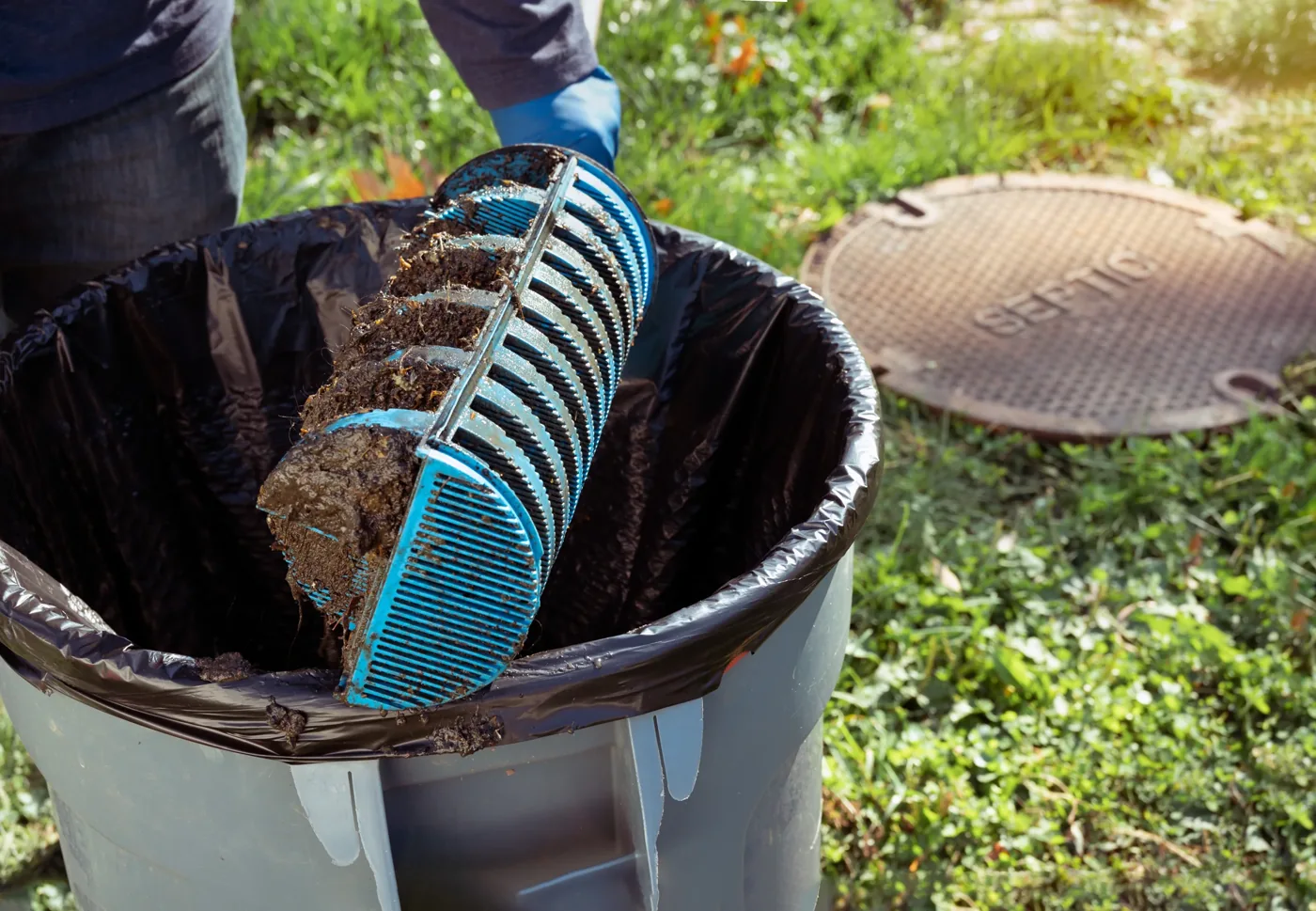
For factories with appropriate domestic sewage installations, industrial septic tank emptying addresses accumulated sewage waste. Other materials need to be identified separately.
Where containment or collection of a distinct waste stream is required, the broader liquid waste removal information explains why waste identification matters before transfer.
Correctly distinguishing staff sewage from process wastewater allows each stream to be assessed against its actual characteristics rather than relying on the presence of a septic tank somewhere on the premises.