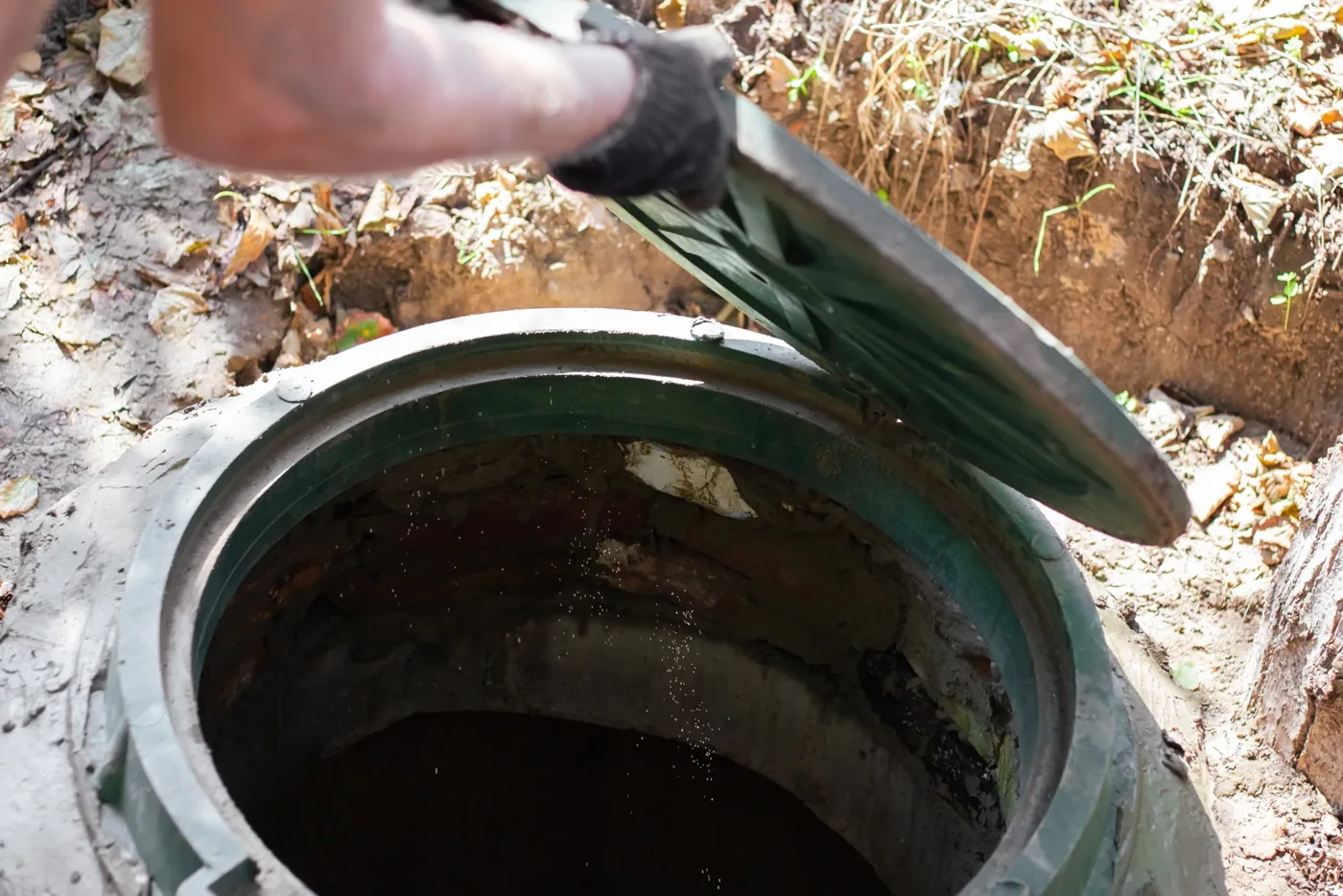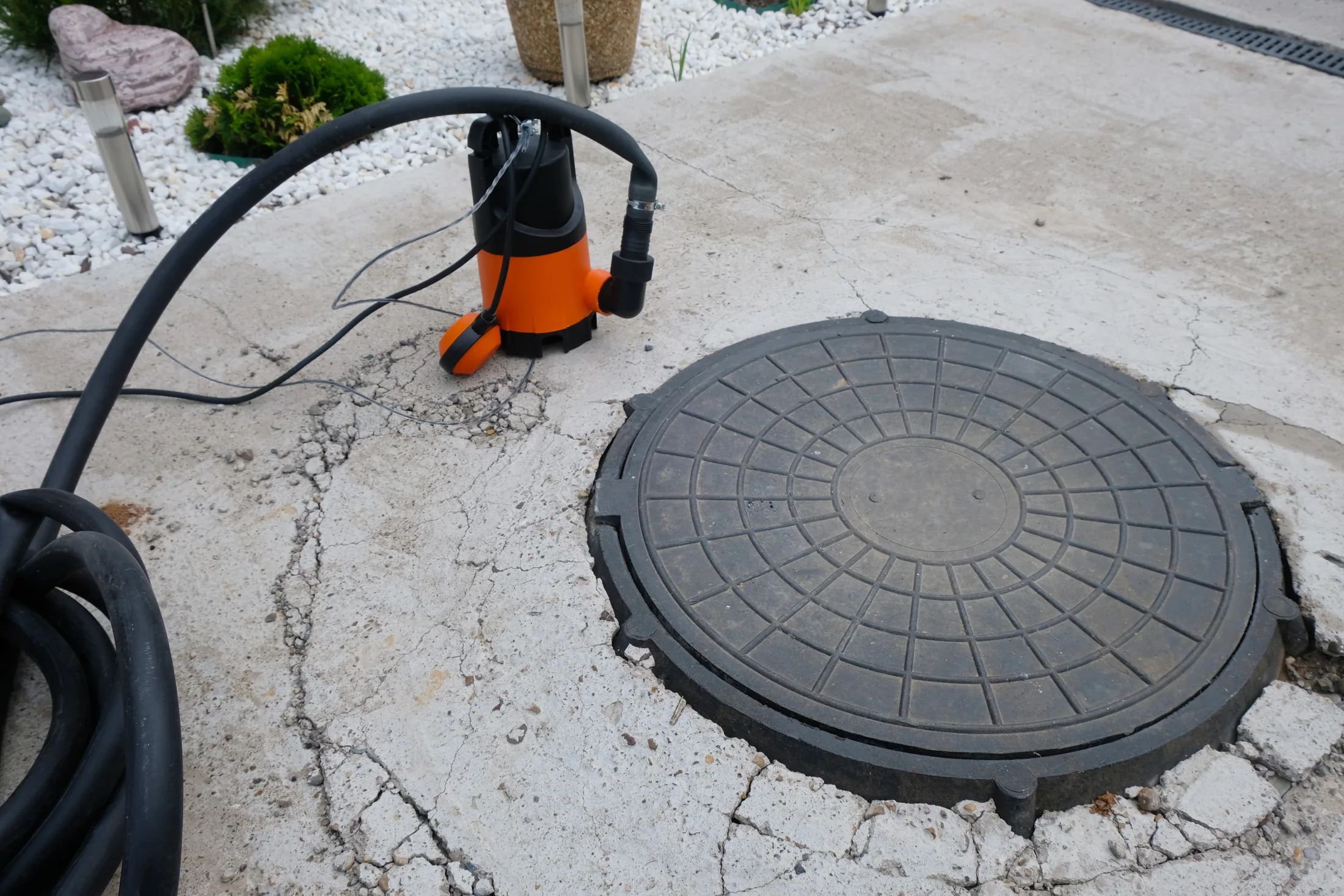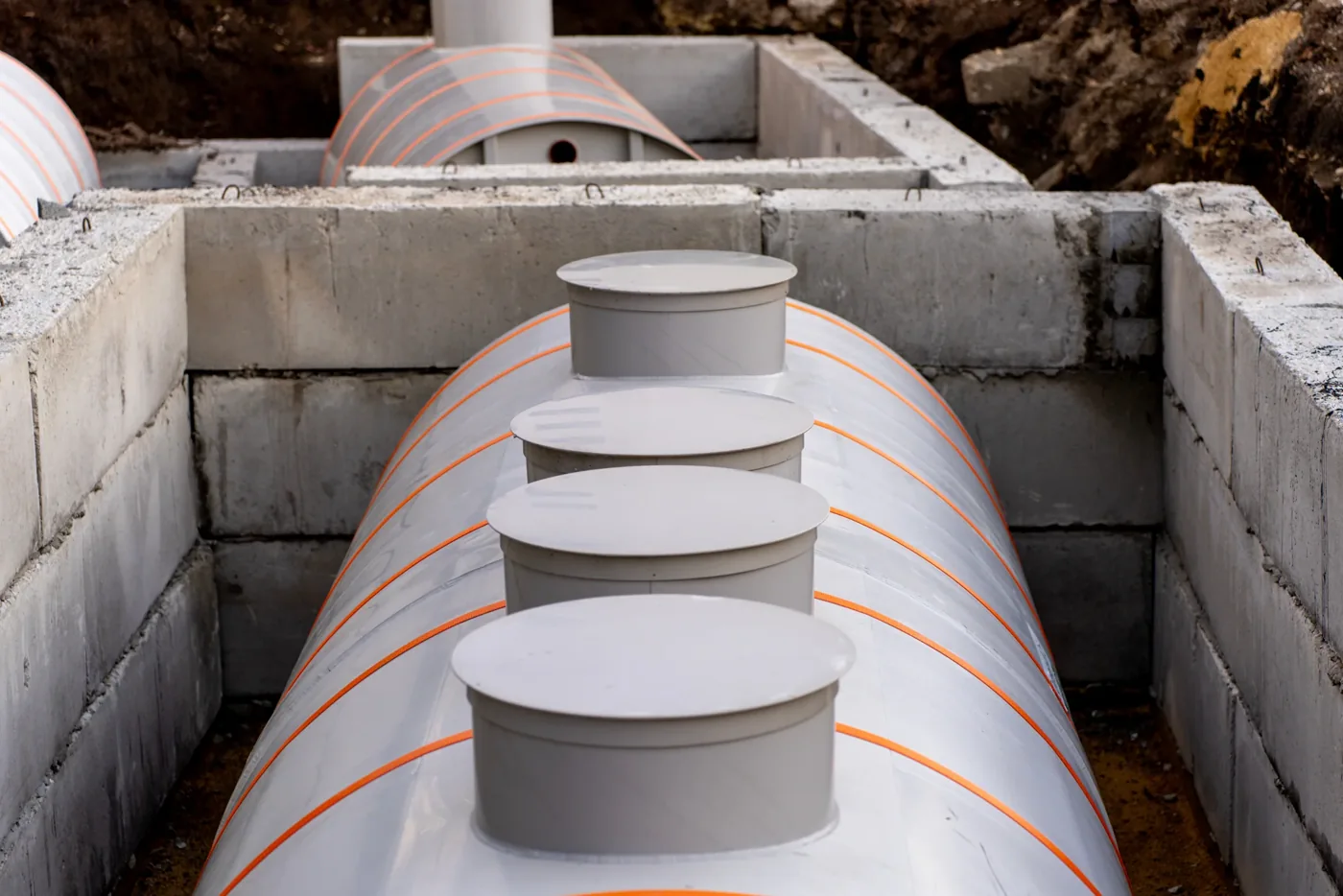
When several properties share one septic tank, wastewater from each connected building enters a common private drainage system. The tank and its discharge arrangements must accommodate the combined demand, while the people responsible for the installation need to coordinate maintenance and resolve faults affecting shared infrastructure.
Sharing a tank does not necessarily mean every pipe serving the properties is shared. Understanding where individual drainage connections join the common system is essential when problems arise.
How combined sewage loading affects the installation
A shared septic tank receives wastewater from multiple households, cottages, flats or other connected premises. Each additional property contributes toilet, bathing, kitchen and laundry wastewater.
Combined sewage loading depends on the actual use of the connected buildings, not simply their number. Two permanently occupied family homes may create different demands from several intermittently occupied holiday cottages.
Peak flows also matter. When several households use showers, washing machines and toilets during the same period, the resulting increase in incoming liquid can place greater demand on the tank and drainage field.
The original installation should have been sized for its intended use. If more properties have subsequently been connected, the capacity and maximum daily discharge need reassessment.
Adequate tank volume alone does not establish that the whole installation is suitable. The outlet and drainage field must also accommodate the combined wastewater flow.
Who is responsible for a shared septic tank?
For properties in England, responsibility is not determined solely by whose land contains the tank.
GOV.UK’s guidance on septic tank operators explains that owners whose properties share a system are jointly responsible. Responsibility can also arise through an agreement assigning operation of the system to someone else.
Where several owners share drainage, practical management usually involves agreeing how maintenance is organised, how costs are allocated and who arranges repairs. The legal basis for those arrangements may appear in property deeds, easements, covenants or separate agreements.
It is useful to establish:
- Which properties are connected to the installation.
- Where the tank, chambers, pipes and discharge area are located.
- Who can authorise access for maintenance.
- What existing agreements say about costs and repairs.
- Whether records identify previous emptying or alterations.
Private agreements may clarify how owners divide expenses, but they should not be assumed to remove statutory responsibilities imposed on an operator.
Identifying faults in individual and shared drainage
The location and extent of a drainage problem often provide the first indication of which part of the installation needs investigation.
When only one property has symptoms
If one building experiences slow toilets or recurring internal blockages while neighbouring properties drain normally, the problem may lie within that property’s branch connection before it joins the shared pipework.
However, differences in pipe levels and layouts can mean one property experiences symptoms of a shared restriction before others.
When several properties are affected
Simultaneous backing-up across different buildings makes a shared downstream restriction or high tank level more likely. The common inlet, tank outlet and drainage field may need assessment.
Problems recurring soon after desludging can indicate that the issue extends beyond accumulated tank solids.
Comparing which buildings are affected, when symptoms began and whether they coincide with rainfall can help identify the likely fault boundary without assuming that one household caused the problem.
Managing maintenance across several owners
Shared maintenance becomes easier when one agreed contact coordinates access, records and communication, even where responsibility remains joint.
Planned private sector septic tank emptying can be arranged around the shared installation’s actual usage and sludge accumulation. Emptying intervals should reflect the system’s requirements rather than simply dividing a single-household schedule between the connected properties.
Owners should retain records of collections, inspections, significant repairs and changes in occupancy or connections. This becomes particularly useful when ownership changes and previous arrangements are not immediately clear.
What if another property joins the system?
A new connection can change both the hydraulic demand and the permitted discharge position. In England, the general binding rules for discharges to ground require treatment capacity to be reconsidered when additional properties increase the wastewater load.
Before approving another connection, the owners need to establish whether the existing tank, drainage field and discharge arrangements remain suitable. If the combined discharge to ground exceeds 2,000 litres per day, the general binding rules require connection to a public foul sewer where reasonable, or an environmental permit where connection is not reasonable. The calculation must reflect all properties using the shared installation.
The central principle is straightforward: several properties may share one installation, but its capacity, maintenance and responsibility must be considered as one functioning drainage system.